
Youth Soccer Guide
Youth Soccer in Menifee and Lake Elsinore: A Parent's Guide
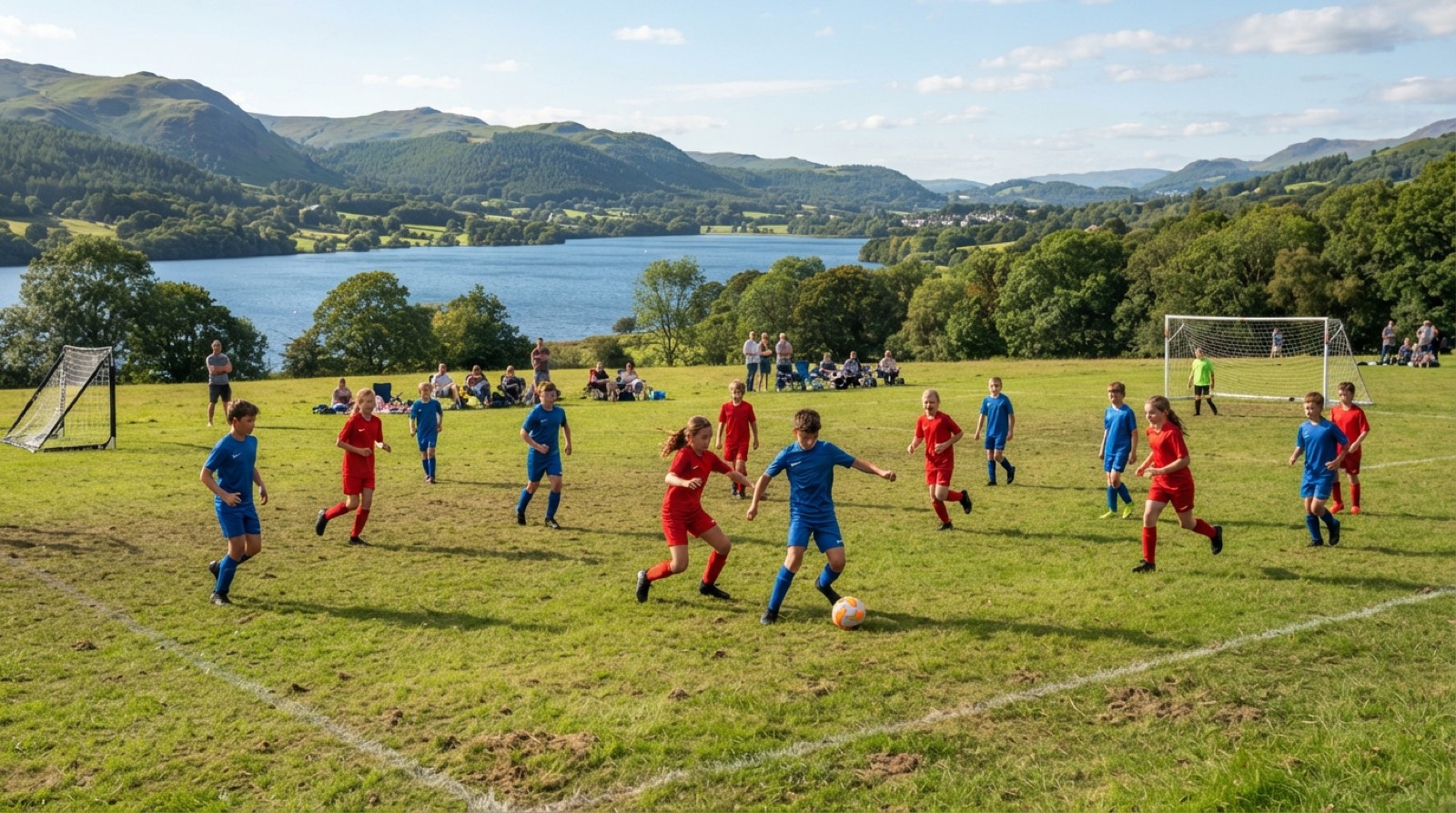
Families in Menifee and Lake Elsinore have more soccer choices than ever, which is good until it gets confusing. Rec league, club soccer, training, camps, school teams, travel teams: the labels can blur fast.
I coach in Temecula, but many SWSC families drive from Menifee, Lake Elsinore, Wildomar, and nearby communities because they are looking for a fit, not just the closest field. This guide will help you compare options without getting pulled into hype.
Key takeaways
- Start with your child’s age, experience, and desire, not the fanciest program.
- Compare coaching, safety, schedule, travel, cost clarity, and player fit.
- Recreational soccer is often best for beginners; competitive soccer fits ready players.
- Drive time matters, especially on school nights.
- A free evaluation is the cleanest way to place a child without guessing.
What should parents know about Menifee youth soccer?
Menifee youth soccer should be judged by fit: coaching, safety, schedule, level, and whether your child wants to keep playing. The closest program is not always the best one, and the strongest program is not always right for a beginner. Start with your child’s needs, then compare the adults running the field.
The Aspen Institute’s State of Play 2025 reports that 55% of U.S. youth played organized sports in 2023, up from 54% in 2022. That means many families are asking the same question you are: where can my child play, grow, and still enjoy it?
If you are new to the sport, read Is Soccer Good for Kids? first. It explains the benefits and trade-offs before you choose a local program.
How to compare local soccer options
Compare programs with boring questions. Who coaches? Are adults background-checked? How often do kids train? What does it cost? Where are games? What happens if my child is new? Good programs answer clearly. Confusing answers usually mean the family will carry the confusion later.
| What to compare | Why it matters | What to ask |
|---|---|---|
| Coaching | Kids stay when adults teach well | What licenses or training do coaches have? |
| Safety | Injuries and behavior need systems | Are staff background-checked? |
| Level | Wrong fit hurts confidence | How are players placed? |
| Schedule | School nights matter | Where and when are practices? |
| Cost | Surprises create stress | What is included and what is extra? |
| Pathway | Kids change as they grow | Can players move levels later? |
U.S. Soccer’s coaching pathway runs from Grassroots through Pro, and the U.S. Soccer Learning Center is the national source for coach education. You do not need every youth coach to hold the highest license. You do want a club that values trained adults.
Recreational, training, or competitive
Choose recreational soccer for most beginners, training for players who need more touches, and competitive soccer for kids who already love the game and want a higher challenge. A good pathway lets a child move when ready. A rushed pathway can turn excitement into pressure.
| Path | Best for | Parent note |
|---|---|---|
| Recreational soccer | Newer, younger, or casual players | Keep it fun and local |
| Skills training | Players who want more touches | Best when it supports team play |
| Competitive soccer | Driven players ready for more | Expect more time and travel |
| Camps | Seasonal boost or school breaks | Useful for confidence and reps |
For a deeper breakdown, read Rec vs. Competitive Youth Soccer. If your child is ready for team placement or a stronger environment, SWSC’s competitive soccer page explains that path without needing to guess from the sideline.
How much drive time should matter
Drive time matters more for young players than most parents admit. A great program that turns every practice into a family scramble may not stay great for long. For older or more serious players, extra driving can be worth it. For beginners, consistency and joy usually beat distance.
The CDC recommends children ages 6-17 get 60 minutes or more of daily physical activity. Soccer helps meet that goal, but the whole family routine matters. If a late drive leaves your child tired, rushed on homework, and eating dinner in the car every week, the plan may need adjusting.
Menifee and Lake Elsinore families often balance soccer with school traffic, sibling activities, and work schedules. Be honest about what your family can repeat for a season. A schedule that works only on paper usually breaks by midseason.
What age and level should your child start?
Most children do best when the starting level matches their attention span and confidence. The youngest players need playful touches, short instructions, and room to explore. Older beginners may need a patient group where they can learn quickly without feeling embarrassed.
The American Academy of Pediatrics says most children are ready for organized team sports around age 6. U.S. Soccer’s Player Development Initiatives use small-sided formats by age, including 4v4 for U6-U8, 7v7 for U9-U10, 9v9 for U11-U12, and 11v11 for U13 and older in the U.S. Youth Soccer PDI document.
That is why I do not like one-size-fits-all placement. Two children can be the same age and need very different starts. If your child is brand new, your child’s first soccer practice will help you know what a healthy first session should feel like.
What youth soccer costs here
Youth soccer cost varies by program type, travel, uniforms, tournaments, and training. Recreational soccer is usually the lower-cost entry point. Competitive soccer costs more because the calendar is bigger. The important thing is not finding the cheapest option. It is knowing the full cost before you commit.
Aspen Institute Project Play reports that average annual spending on soccer is $1,188 per child, higher than basketball at $1,002, baseball at $714, and tackle football at $581 in its youth sports challenges data. Aspen also reported family youth-sports spending rose 46% over five years.
Ask every local program for the full number: registration, uniforms, tournament fees, coaching fees, camps, travel, and optional training. I would rather a family choose a clear cost they can manage than a vague promise that becomes stressful later.
Safety questions worth asking
Ask safety questions before the first injury, not after. Who handles concussion concerns? Are coaches trained? Are players taught to warm up? How does the program manage heat? What happens if a child is hurt? A serious club will not treat those questions as annoying.
The American Academy of Pediatrics says many youth soccer injuries are lower-extremity sprains and contusions, and many are largely preventable. The AAP also notes that about half of sports injuries in children and teens are from overuse.
That is why more is not always better. Smart training, rest, hydration, and good coaching beat simply adding sessions. In Southwest Riverside County heat, hydration planning matters too; our summer soccer hydration guide is worth reading before warm-weather practices.
Finding the right fit near Menifee and Lake Elsinore
The right fit is the program your child can grow in without losing joy. For some Menifee and Lake Elsinore families, that is a nearby recreational league. For others, it is a Temecula club with a deeper pathway, more training options, and teams that match the player’s level.
SWSC serves players from Temecula, Murrieta, Menifee, Lake Elsinore, Wildomar, Winchester, French Valley, and nearby communities. If you want a clear next step, start with training, learn more about SWSC, or schedule a free evaluation. The goal is not to find the loudest program. It is to find the right field for your child.
Frequently asked questions
What should I look for in Menifee youth soccer?
Look for age-appropriate coaching, clear communication, safe fields, background-checked staff, and a path that fits your child. A good program should explain practice times, player placement, costs, travel expectations, and how new players are supported before you register.
Is Lake Elsinore youth soccer different from Menifee youth soccer?
The main difference is usually logistics: drive time, field location, team fit, and coaching staff. Families in both cities should compare the same things: coach quality, level of play, safety, schedule, cost clarity, and whether the child feels welcome there.
Should my child start with recreational or competitive soccer?
Most new or younger players should start recreationally or in a beginner-friendly training group. Competitive soccer fits children who already love the game, want more challenge, and can handle the time commitment. The right choice depends on readiness, not just age.
How far should we drive for youth soccer?
Drive farther only when the fit is clearly better. For young players, a shorter drive often protects school nights and family rhythm. For older or more serious players, extra travel can make sense if the coaching, teammates, and development path are worth it.
Does SWSC serve Menifee and Lake Elsinore families?
Yes. SWSC serves families across Southwest Riverside County, including Temecula, Murrieta, Menifee, Lake Elsinore, Wildomar, Winchester, and nearby communities. The best first step is a free evaluation so the club can recommend the right level and program for your child.