
Youth Soccer Guide
Keeping Kids Safe in the Heat: Summer Soccer Hydration Tips
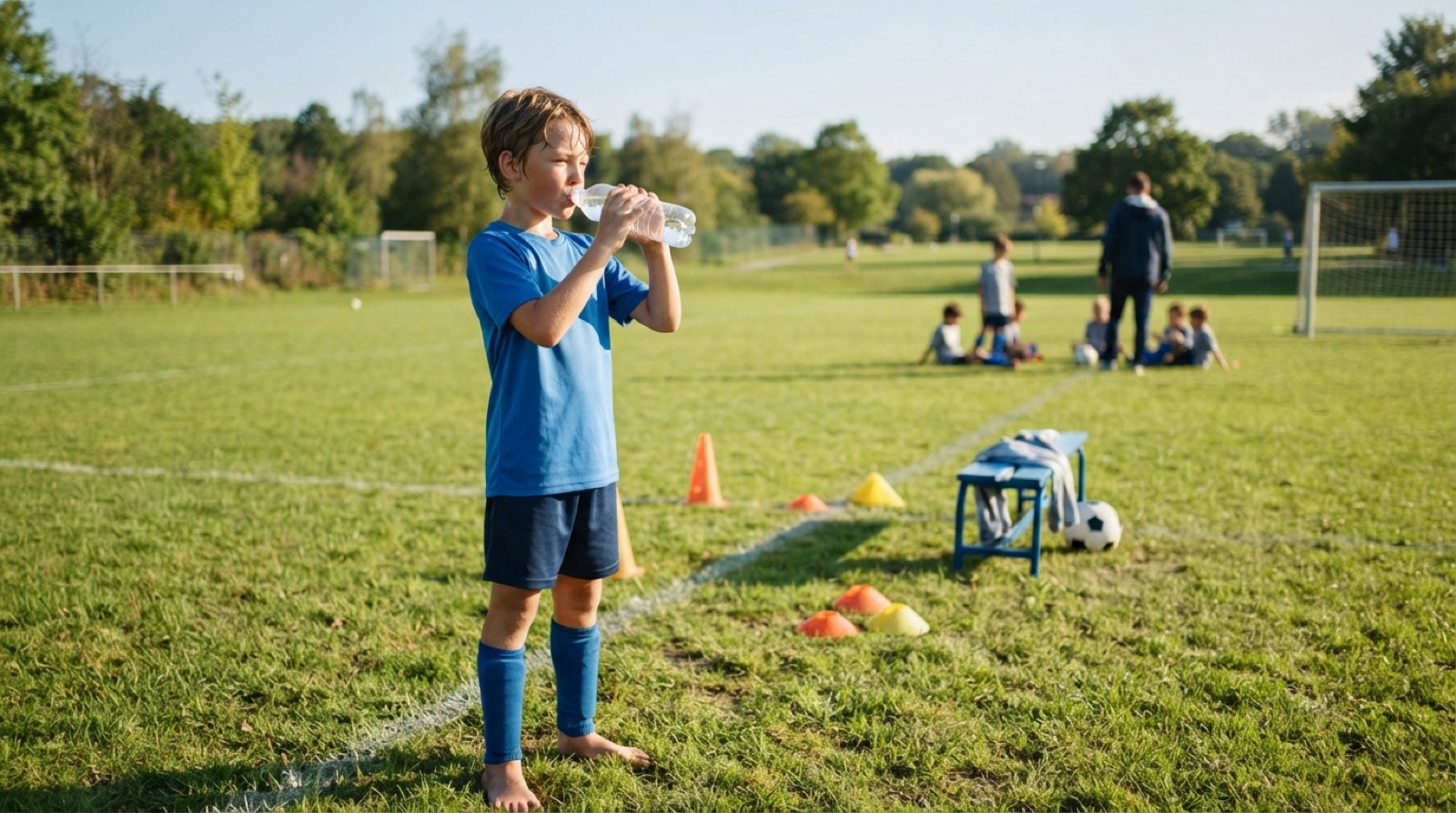
Summer soccer in Temecula can be beautiful, but the heat is real. A child can look fine at warm-up and be struggling soon after if adults are not paying attention.
I want kids active, but I do not want them proving toughness against the weather. Youth soccer hydration and heat safety are simple when parents and coaches build habits before the first hot practice.
Key takeaways
- Hydration starts before practice, not when a child says they are thirsty.
- Shade, rest breaks, and lighter sessions are coaching tools, not signs of weakness.
- Watch behavior, not just sweat; a child who seems “off” needs attention.
- Water is the default drink for most practices; sports drinks are situational.
- Temecula, Murrieta, Menifee, and Lake Elsinore families should plan around local summer heat.
Youth soccer hydration in heat: the quick answer
For summer soccer, send your child with water, start hydration before practice, and expect the coach to build in shade and drink breaks. Watch for heavy sweating, dizziness, headache, weakness, nausea, confusion, or unusual fatigue. If a child seems off, stop play first and sort it out second.
The CDC Heat Health guidance says hot days require staying cool, staying hydrated, and knowing symptoms. That sounds basic, but on a soccer field, basic habits prevent most problems.
Why heat changes a normal soccer plan
Soccer already asks kids to run, stop, turn, and sprint. In summer heat, the body also has to cool itself. That means the same practice can feel much harder than it did in spring, especially for younger players who may not speak up early.
The CDC recommends children ages 6-17 get 60 minutes or more of moderate-to-vigorous activity daily, but heat changes how adults deliver that activity. The goal is still movement. The method may be shorter work periods, longer breaks, more shade, and a coach who watches the group instead of forcing the written plan.
I tell parents this all the time: a good summer practice is not the hardest practice. It is the one the kids can recover from and want to attend again.
What to pack for hot soccer days
The right bag will not solve everything, but it removes easy problems. For Temecula summer sessions, pack for water, sun, and the ride home, then make sure your child can open the bottle and manage the gear without waiting for an adult.
| Item | Why it helps |
|---|---|
| Refillable water bottle | Makes drinking during breaks easy |
| Light practice clothes | Helps the body cool |
| Sunscreen | Reduces sun exposure during outdoor sessions |
| Towel | Helps cool sweat and clean up after practice |
| Simple snack | Supports recovery after the session |
| Extra shirt | Useful after a very sweaty practice |
The CDC Heat Health page recommends carrying a water bottle, drinking and refilling it through the day, and checking urine color; light yellow or clear usually means enough water. Teach kids that habit early. It is easier than guessing from the sideline.
For a full first-practice bag, use the Youth Soccer Gear Checklist.
Water, sports drinks, and what kids really need
Water should be the default for most youth soccer practices. Sports drinks can make sense for longer, hotter sessions with heavy sweating, but they should not become the automatic drink for every child at every practice. Start simple, then adjust for heat and workload.
I keep the rule simple for families: water before and during normal practices, a normal meal or snack after, and extra help only when the session is long, hot, or unusually hard. If your child has asthma, diabetes, heart concerns, heat illness history, or takes medication, ask your pediatrician for a specific plan.
The CDC notes that heat risk can be higher for people exercising outside, infants and young children, and people with certain health conditions. That is why coaches need to know about medical concerns before practice, not after symptoms appear.
Warning signs parents should know
Parents do not need to diagnose heat illness from the sideline. They do need to notice when a child is no longer acting right. The safest move is to stop, cool down, tell the coach, and get help when symptoms look serious.
The CDC Heat Health guidance lists overheating symptoms that include muscle cramping, heavy sweating, shortness of breath, dizziness, headaches, weakness, and nausea. On the field, I also watch for a child who gets quiet, confused, unusually emotional, or slow to respond.
| What you see | What to do first |
|---|---|
| Headache or dizziness | Stop activity, shade, water, monitor |
| Nausea or weakness | Stop activity, cool down, tell coach |
| Confusion or fainting | Treat as urgent and seek medical help |
| Cramps | Stop, hydrate, gentle cooling |
| Child seems unlike themselves | Pull them out and reassess |
No drill is worth arguing with those signs.
What good coaches do in the heat
Good heat management is visible. You should see water breaks before kids are desperate, shade used when available, shorter high-intensity blocks, and coaches adjusting when the group looks drained early. The plan should change when the field conditions change that day.
A smart coach will:
- Schedule cooler times when possible.
- Start with a hydration reminder.
- Use frequent breaks.
- Reduce intensity during high heat.
- Watch the quiet kids, not only the loud ones.
- Stop a player who looks wrong.
- Communicate with parents after a hard session.
This is one reason coaching quality matters so much. If you are still choosing a program, read Youth Soccer in Temecula and Rec vs. Competitive Youth Soccer. A club’s safety habits are part of the fit.
How parents can help before practice
The best parent support happens before the field. Have your child drink water through the day, eat normally, and arrive with a full bottle. If they spent the afternoon at a pool, party, or camp, tell the coach; they may already be tired before soccer starts.
I also like parents to teach a few simple phrases:
- “I need water.”
- “I feel dizzy.”
- “I need a break.”
Young players often want to please the coach. Give them permission to speak up. That does not make them soft. It makes them safer and more coachable.
Heat, workload, and recovery
Heat is not the only load on a child’s body. Tournament weekends, private sessions, camps, and school stress all add up. The American Academy of Pediatrics says an estimated 50% of sports-related injuries in kids are from overuse, which is why rest matters even when the weather is perfect.
In summer, I want parents watching the next day too. Is your child unusually tired? Sore in a way that changes how they move? Dreading practice? Those are signals to adjust. More soccer is not always better soccer.
For younger players deciding how much is enough, What Age Should Kids Start Soccer? explains age-appropriate load and readiness.
Playing safely in the Temecula Valley
Temecula, Murrieta, Menifee, Wildomar, and Lake Elsinore families know summer afternoons can be unforgiving. That does not mean kids cannot play. It means adults have to plan: water before practice, shade during breaks, flexible coaching, and no ego when a child needs to stop.
At SWSC, heat safety is part of development because healthy players learn better. If your child is ready to train, start with the right level through a free evaluation, or explore training, competitive soccer, and after-school soccer when your family schedule needs a regular activity block.
Frequently asked questions
How much water should a child bring to soccer practice?
Bring more than you think your child will drink, especially in summer. The safest habit is a refillable bottle that your child can open alone, plus scheduled drink breaks before thirst sets in. For longer or hotter sessions, ask the coach how breaks are handled.
What are signs my child is overheating at soccer?
Watch for heavy sweating, dizziness, headache, weakness, nausea, unusual fatigue, confusion, cramps, or a child who stops acting like themselves. Move the child to shade, cool them, and get medical help if symptoms are severe or do not improve quickly.
Should kids drink sports drinks for soccer in the heat?
Water is enough for many normal practices. A sports drink may help during longer, hotter sessions when a child is sweating heavily, but it is not needed for every youth practice. Avoid making sugary drinks the default. Ask your pediatrician for children with medical conditions.
Is it safe for kids to play soccer in Temecula summer heat?
It can be safe with planning: cooler practice times, shade, water breaks, lighter clothing, and coaches willing to adjust intensity. The risk rises when adults ignore symptoms or push through dangerous conditions. In Temecula heat, safety has to beat the practice plan.
What should parents pack for hot soccer days?
Pack a large water bottle, light clothing, sunscreen, a hat for before and after play, a towel, and a simple post-practice snack. For younger kids, label the bottle and practice opening it at home. The best heat plan starts before the car leaves.