Youth Soccer Guide
Soccer for High-Energy and Active Kids (Including ADHD)
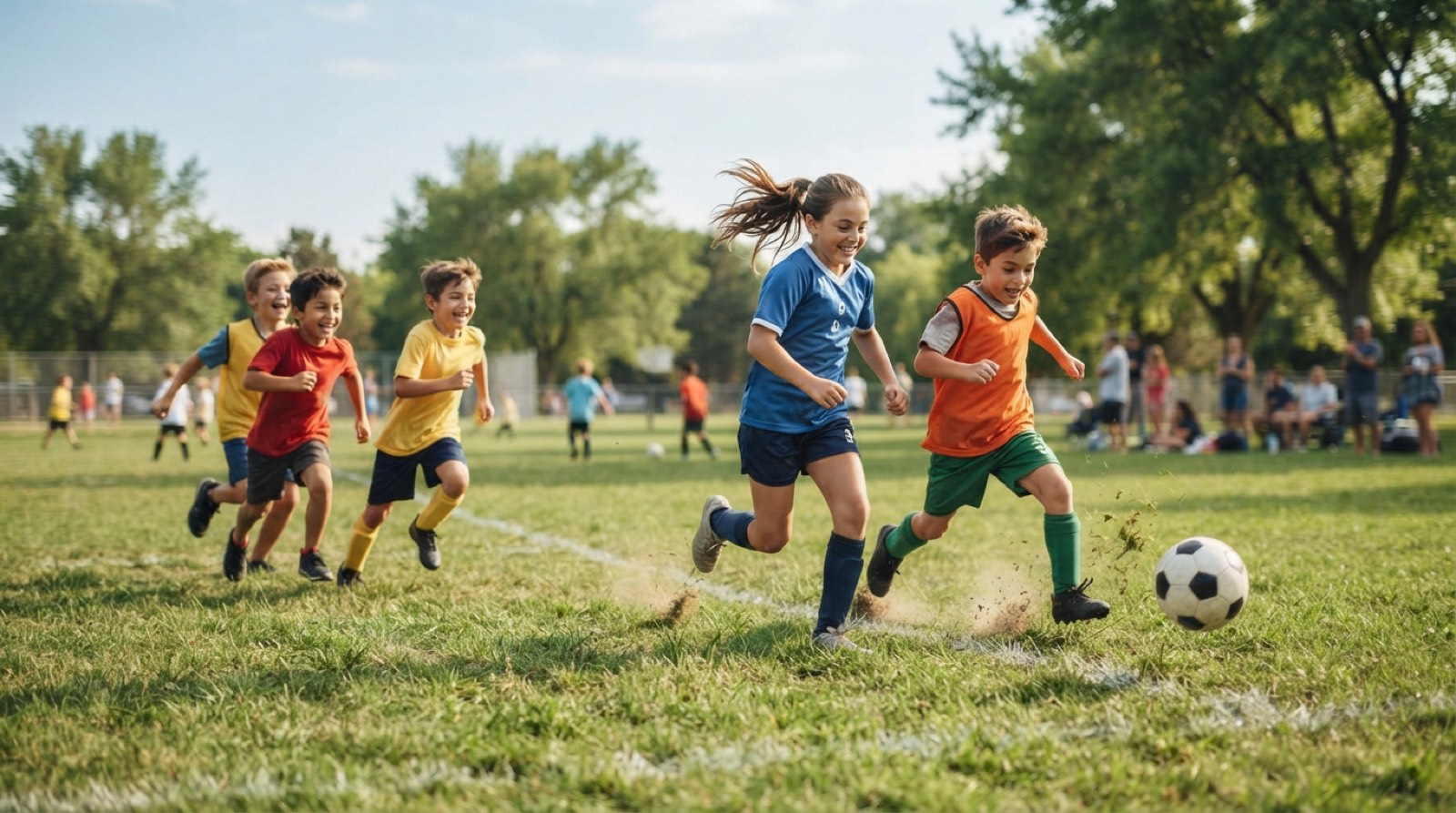
Some kids walk onto a field and cannot stand still. They bounce, talk, sprint, wander, ask questions, forget the line, then make a brilliant play ten seconds later.
I have coached many of those kids in Temecula. Some had an ADHD diagnosis. Some did not. Either way, the goal is the same: turn energy into purpose without making the child feel like a problem.
Key takeaways
- Soccer can fit active kids because the game rewards movement.
- CDC data show 7 million U.S. children have had an ADHD diagnosis.
- Team sports are linked with lower attention-problem scores in one large PLOS ONE study.
- Coaching style matters as much as the sport.
- Start with the right level, then use a free evaluation if you need guidance.
Is soccer a good sport for active kids?
Yes. Soccer is often a good sport for active kids because movement is part of the job. Players run, stop, turn, listen, pass, and try again. For kids with ADHD, soccer is not a medical treatment, but the right team can provide structure, exercise, belonging, and confidence.
The key phrase is “the right team.” A poor fit can make an active child feel corrected all day. A good fit helps that same child feel useful.
That is why I do not label an active player as difficult. I look for the setting that helps them succeed. Some need a smaller group. Some need a coach who demonstrates first. Some simply need a role that keeps them moving while they learn.
Why movement helps active kids
Active kids need safe places to move, not constant reminders to sit still. The CDC recommends 60 minutes or more of daily activity for ages 6-17, yet CDC school-health data show less than one-quarter, or 24%, of children meet that daily mark.
Soccer gives movement a shape. Instead of “stop running,” the message becomes “run into space.” Instead of “quit kicking,” it becomes “use the inside of your foot.” That change matters.
I have seen kids who struggle in a chair find calm after a hard practice. Not perfect calm. Real calm. The kind that comes from using the body well.
What ADHD changes, and what it does not
CDC data from a national parent survey estimate that 7 million U.S. children ages 3-17, or 11.4%, have ever been diagnosed with ADHD. That means every youth coach should expect to work with kids who learn differently and adjust instruction without lowering standards.
ADHD does not mean a child cannot play soccer. It may mean the coach needs to give shorter instructions, show the drill once, create quick turns, and avoid long lines. It may also mean parents and coaches need a shared plan for frustration.
| Common challenge | Soccer-friendly support |
|---|---|
| Wandering attention | Short demo, then action |
| Waiting in line | Give the child a ball or job |
| Big emotions | Use a reset cue, not a lecture |
| Impulse tackles | Teach spacing and body control |
| Forgetting instructions | Repeat one cue at a time |
Good coaching does not excuse unsafe play. It teaches the child how to succeed safely.
What the research says about team sports
One large study gives parents a useful clue. In a 2022 PLOS ONE analysis of 11,235 U.S. children ages 9-13, team-sport participation was associated with 12% lower attention-problem scores compared with no sport participation. The same study also found lower anxious/depressed, withdrawn/depressed, and social-problem scores.
That is an association, not proof that soccer fixes attention. I want to be clear about that. Still, it fits what I see on the field: a team gives active kids cues, roles, and feedback in real time.
For the wider benefits, read Is Soccer Good for Kids?.
Why soccer can work better than stop-start sports
Some sports ask kids to wait a lot. Soccer usually gives more constant involvement, especially in small-sided play. U.S. Soccer’s Player Development Initiatives use age-appropriate formats such as 4v4 for U6-U8, which means more touches and fewer kids standing around.
That matters for active players. Long lines invite trouble. Small games invite learning.
| Sport feature | Why it helps active kids |
|---|---|
| Constant movement | Energy has a job |
| Small-sided games | More touches, less waiting |
| Clear boundaries | Kids know where play happens |
| Team role | Belonging reduces acting out |
| Quick feedback | The ball teaches fast |
No sport is perfect for every child. But soccer gives coaches many tools.
What to look for in a coach
For active kids, the coach matters more than the logo on the shirt. Look for calm energy, clear rules, and quick transitions. A coach who shouts nonstop usually loses the child. A coach who ignores unsafe play also loses the group.
Ask these questions:
- Does the coach demonstrate, or only talk?
- Are lines short?
- Does every child get touches?
- Are mistakes corrected without shame?
- Does the coach know how to reset a frustrated player?
Project Play cites research showing that when youth coaches were trained in communication skills, only 5% of children chose not to play again, compared with 26% under untrained coaches. That is a coaching stat every parent should know.
What parents can do before practice
Set your child up before they step on the field. Give them food, water, and enough time to arrive without a panic. Tell them one goal for the day: “Listen when coach talks,” or “try your left foot,” or “walk away when upset.”
Do not give five goals. One is enough.
After practice, ask a better question than “Did you win?” Try “What did you do better today?” or “What was hard?” Active kids often hear about what went wrong. They need to learn how to notice growth too.
Parents can also help by keeping the routine predictable. Same water bottle spot. Same arrival time. Same quick reminder before the session. Predictability lowers the noise around the child, which makes it easier for them to use their energy on the field instead of fighting the transition.
When competitive soccer makes sense
Some active kids love challenge. Others need a lower-pressure start. Do not rush the move because your child runs faster than everyone else. Competitive soccer adds structure, but it also adds pressure, travel, and expectations. The question is whether your child wants that challenge.
If your child is asking for more and handles correction well, read When Should Your Child Move Up to Competitive Soccer?. If they are new, start with soccer drills at home and a team level that lets them enjoy the ball.
Finding the right fit in Temecula
Families in Temecula, Murrieta, Menifee, Lake Elsinore, Wildomar, and French Valley have many active kids who need a healthy outlet after school. Soccer can be that outlet when the coach is patient, the level is right, and the child feels seen.
If you are unsure where your child fits, use a free evaluation. We can look at attention, energy, confidence, and skill together, then point you toward the right next step, whether that is training, a team, or more time to grow.
One more local note: heat and long school days matter in Southwest Riverside County. An active child may look unfocused when they are really tired, thirsty, or hungry. Solve the simple things first, then judge the soccer fit.
Frequently asked questions
Is soccer good for high-energy kids?
Yes, soccer can be a strong fit because it gives kids constant movement, clear rules, quick feedback, and a team role. The best setup is a patient coach, short instructions, lots of ball touches, and enough structure to help energy become effort.
Is soccer good for kids with ADHD?
Soccer can help many kids with ADHD, but it is not a treatment by itself. CDC data show [ADHD is common](https://www.cdc.gov/adhd/data/index.html), and regular activity can support health, mood, and focus. Talk with your child's clinician, then look for a coach who understands attention and transitions.
What should I tell a coach about my child's ADHD?
Share what helps your child succeed: short instructions, a visual demo, a job in line, or a quick reset when frustrated. You do not need to share private medical details with every parent. A good coach wants practical information that helps the child learn.
What sports are best for active kids?
The best sport is one your child enjoys enough to keep playing. Soccer, swimming, martial arts, basketball, and track can all work. For active kids who like teams, soccer is useful because it combines running, decisions, teammates, and repeated touches on the ball.
How do I know if soccer is too much for my child?
Watch the pattern after practice. Tired is normal; dread, meltdowns every session, sleep problems, or constant stomachaches are warning signs. The answer may be a different coach, shorter sessions, more rest, or a lower-pressure level, not quitting healthy movement altogether.