
Youth Soccer Guide
Sleep, Rest and Recovery for Young Soccer Players
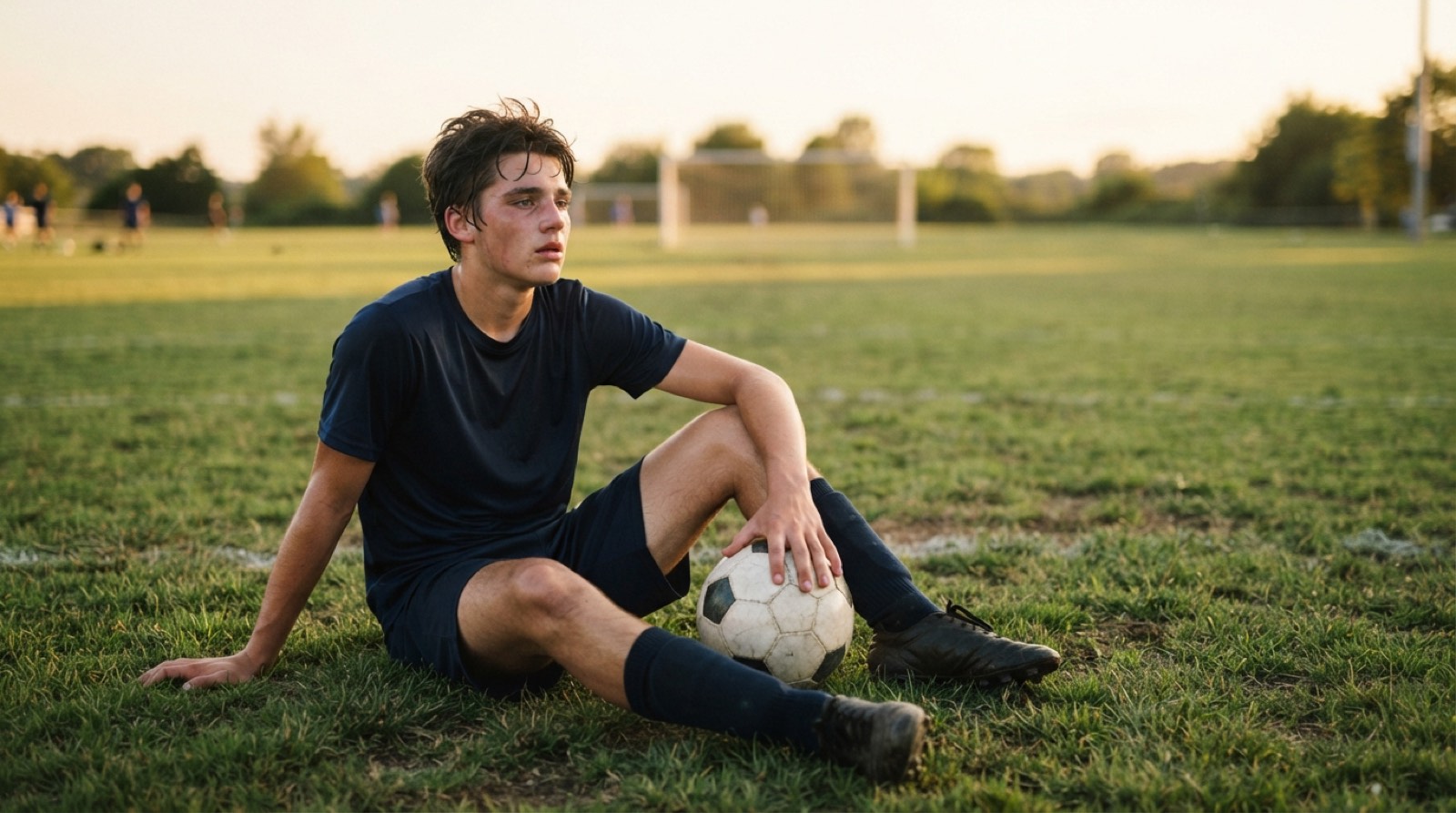
Parents in Temecula usually ask me how their child can get faster, stronger, or sharper on the ball. My first question is not about drills. It is: what time did they go to bed last night?
In my 25 years coaching young players, I have seen recovery decide more seasons than extra training. A rested child learns quicker, handles mistakes better, and is less likely to drag a small ache into a bigger problem.
Key takeaways
- Ages 6–12 need 9–12 hours of sleep, and teens need 8–10 hours.
- Rest days help the body adapt; they are not wasted days.
- Pain that changes movement needs attention, not toughness.
- Better recovery starts with bedtime, food, water, and a lighter calendar.
What does youth athlete sleep recovery really mean?
Youth athlete sleep recovery means giving the body enough sleep, rest, food, and low-stress time to adapt after training. The American Academy of Sleep Medicine recommends 9–12 hours for ages 6–12 and 8–10 hours for teens, so recovery starts long before the next practice.
For young soccer players, recovery is not a luxury item. It is the part of training where the body repairs muscle, the brain stores new skills, and the nervous system settles down. A tired player may look lazy, but often they are overloaded.
I tell parents to watch patterns. One rough morning happens. But repeated heavy legs, short temper, headaches, poor focus, or constant soreness means the plan needs to change. If your child is also playing multiple sports, read Multi-Sport vs. Specialization before adding more sessions.
How much sleep young soccer players need
The target is simple: school-age players need 9–12 hours, and teens need 8–10 hours, according to the American Academy of Sleep Medicine consensus statement. If a child is training hard, traveling, or growing fast, I aim for the high end of that range.
| Age group | Nightly sleep target | What I watch on the field |
|---|---|---|
| 6–12 | 9–12 hours | Listening, coordination, mood |
| 13–18 | 8–10 hours | Speed, decision-making, recovery |
Sleep is also where better coaching sticks. A child can run a passing pattern all evening, but if they sleep five hours, the next day often looks like they never learned it. That is not a character issue. It is biology.
Screens matter because they push bedtime later. I do not need a perfect house rule. I like simple: gear packed after dinner, screens off before bed, water bottle ready, lights out early enough to hit the target.
Normal soreness versus a warning sign
Mild soreness after a hard practice can be normal, but pain that changes running, kicking, or jumping is a warning sign. The American Academy of Pediatrics says about half of youth sports injuries are overuse injuries, which means small problems often grow slowly.
Normal soreness usually feels even on both sides and improves as the child warms up. Riskier pain is sharp, one-sided, getting worse, or present during normal walking. A child who starts limping should stop, tell an adult, and be checked if it persists.
I have never regretted holding a young player out for one session. I have regretted seeing a child hide pain because they thought a coach or parent wanted toughness. Toughness is telling the truth early.
For a broader safety breakdown, see Is Soccer Safe for Kids?. The same principle applies: prevention beats heroic recovery.
How many rest days are enough?
At least one true weekly rest day is a smart baseline for most young players. The American Academy of Pediatrics advises limiting organized sport to 5–6 days per week and taking 2–3 months away from one sport each year to lower burnout and injury risk.
That does not mean your child sits still. A rest day can include walking the dog, stretching, swimming, or easy play in the yard. It should not include another hard team session disguised as “extra touches.”
| Recovery choice | Good sign | Red flag |
|---|---|---|
| Rest day | Child wakes up fresher | Parent adds private training |
| Light play | Child chooses movement | Pain changes movement |
| Sleep reset | Earlier bedtime works | Fatigue lasts all week |
If your family calendar is packed, Preventing Youth Sports Burnout is the next article I would read.
What recovery looks like after practice
Recovery after practice should be boring: water, food, shower, calm evening, and sleep. The CDC recommends 60 minutes of daily activity for kids and teens, but that activity only builds the body when rest and nutrition keep pace after busy school days and practices.
After a normal soccer session, I like a simple routine. Drink water. Eat a real meal with protein and carbohydrates. Note any pain before it gets hidden by adrenaline. Pack gear early so bedtime does not slide.
The best recovery plan is the one a busy family can repeat. A perfect plan that works only on quiet Tuesdays will not help a Murrieta or Menifee family juggling school, traffic, and siblings.
Balancing training and recovery in the Temecula heat
Balance starts by respecting the weekly load. A sports-medicine study found injured young athletes averaged 11.2 hours of organized sport per week, compared with 9.1 hours for uninjured athletes (Jayanthi et al., 2015). If hours creep above age, I look hard at rest.
Heat adds another layer in Temecula, Murrieta, Menifee, Lake Elsinore, and Wildomar. A child recovering from a late, hot session may need more fluid, more food, and a calmer night. For summer specifics, use our youth soccer hydration guide.
When you are unsure, choose the option that keeps your child loving the game next month. If your player wants more soccer and you want an honest read on fit, start with a free evaluation.
Frequently asked questions
How much sleep does a young soccer player need?
Most school-age players need 9–12 hours, and teens need 8–10 hours, according to the [American Academy of Sleep Medicine](https://aasm.org/resources/pdf/pediatricsleepdurationconsensus.pdf). If your child is sore, moody, slow, or getting sick often, sleep is the first recovery habit I check before adding more training.
Should my child practice when they are sore?
Mild soreness after a hard session can be normal, but pain that changes how a child runs is different. The [American Academy of Pediatrics](https://www.healthychildren.org/English/health-issues/injuries-emergencies/sports-injuries/Pages/Preventing-Overuse-Injuries.aspx) says overuse injuries make up about half of youth sports injuries, so I would rather rest one day than lose two weeks.
How many rest days do young athletes need?
The [American Academy of Pediatrics](https://publications.aap.org/pediatrics/article/153/2/e2023065129/196435) advises young athletes to limit organized sport to 5–6 days per week, with 2–3 months away from a single sport each year. For soccer families, that means one real weekly rest day is training.
Can better sleep help soccer performance?
Yes. Sleep supports attention, reaction, mood, and tissue repair. The [CDC](https://www.cdc.gov/physical-activity-education/guidelines/index.html) recommends 60 minutes of daily activity for kids, but that work only helps when the body gets time to adapt. A tired player usually needs less load, not pressure.