
Youth Soccer Guide
Is Soccer Safe for Kids? Concussions, Heading and Injury Prevention
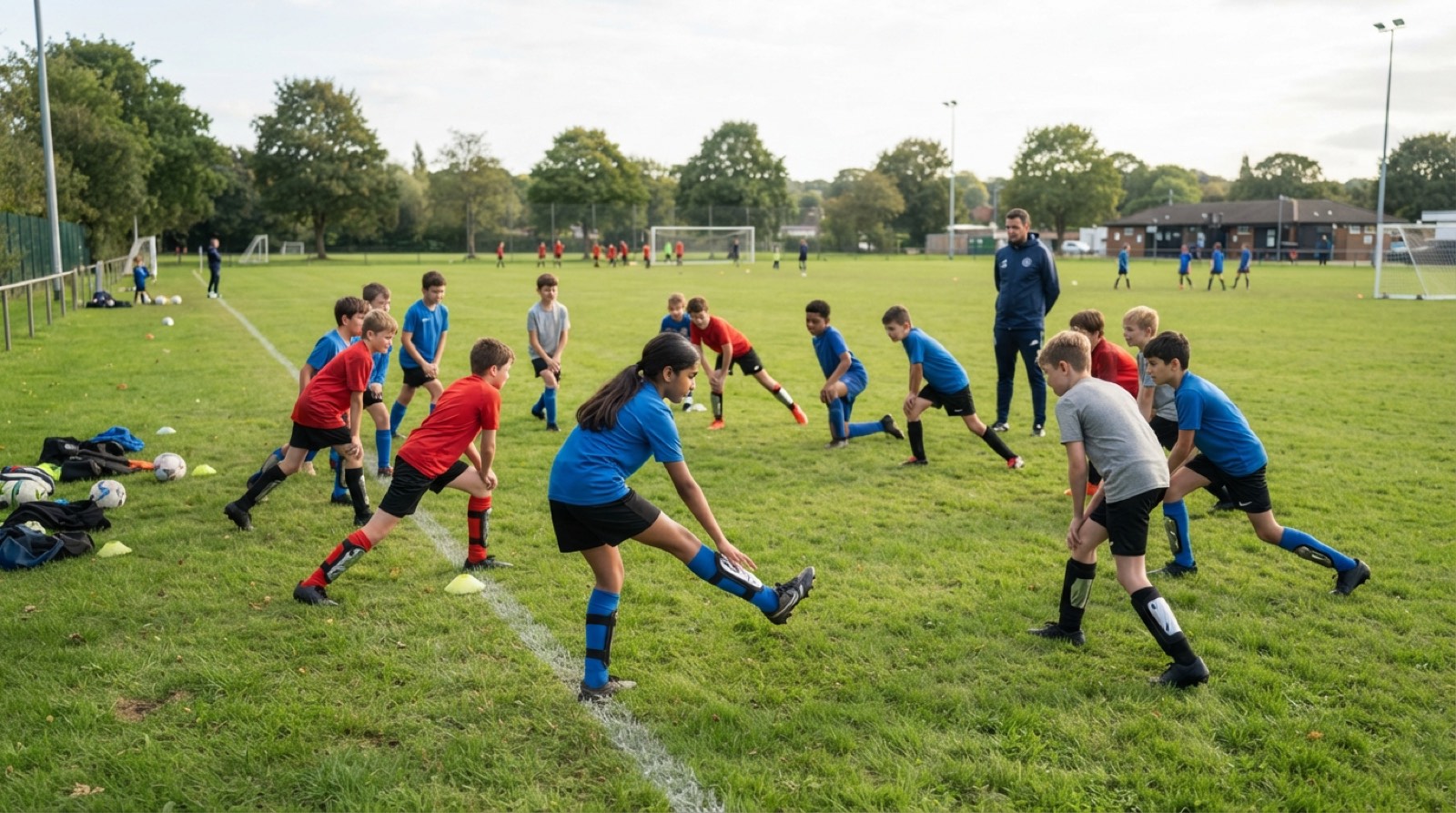
Parents ask me this because they should. They hear about concussions, see kids collide, and wonder if soccer is worth the risk. After 25 years coaching in Temecula, my answer is steady: soccer is a good sport for kids when adults treat safety as part of development, not an afterthought.
I will not call soccer the safest sport. That is not what the data say. The honest frame is better: youth soccer has real risks, and many of the common ones are largely preventable.
Key takeaways
- Soccer is not risk-free, but most common injuries are manageable with good coaching.
- The American Academy of Pediatrics describes many youth soccer injuries as largely preventable.
- Heading is not allowed in games for players 10 and under under U.S. Soccer rules.
- Girls soccer has a higher concussion rate than boys soccer in Healthy Sport Index data.
- Parents should judge a program by warm-ups, rest, supervision, and how it handles head impacts.
Is soccer safe for kids?
Yes, soccer can be safe for kids when the program is organized, age-aware, and serious about injury prevention. The main risks are sprains, bruises, overuse pain, and concussion. The American Academy of Pediatrics says many soccer injuries are largely preventable, which is the right way to think about it.
That phrase matters. It does not mean injuries never happen. It means adults can reduce the odds with better warm-ups, safer contact habits, rest, field awareness, and rules that match the child’s age.
What injuries happen most in youth soccer?
Most youth soccer injuries are lower-body injuries: ankle sprains, knee pain, muscle strains, bruises, and contact injuries. The American Academy of Pediatrics points to player contact and lower-extremity sprains as common patterns, while severe head or spine trauma is much less common for most families.
In my 25 years, the injuries I worry about most are not the dramatic ones everyone sees. They are the small pains kids hide because they do not want to miss practice. A sore heel, a knee that aches every run, or an ankle that never fully settles can turn into weeks away if adults ignore it.
| Injury type | What parents usually notice | What helps |
|---|---|---|
| Ankle sprain | Limping, swelling, avoiding cuts | Balance work, proper recovery, no rushed return |
| Knee pain | Pain when sprinting, jumping, or changing direction | Strength, rest, coach awareness |
| Muscle strain | Pulling up during runs | Warm-up, gradual workload, sleep |
| Concussion | Headache, dizziness, confusion, nausea | Immediate removal, medical guidance |
| Overuse pain | Pain that returns each practice | Rest days and workload limits |
For a broader parent view of the benefits and trade-offs, start with Is Soccer Good for Kids?.
What the concussion numbers show
Concussions are the safety topic parents ask about first, and the data deserve a plain reading. The Aspen Institute’s Healthy Sport Index reports concussion rates per 10,000 athletic exposures across major high-school sports, with football highest and soccer in the middle depending on sex.
| Sport | Concussions per 10,000 exposures |
|---|---|
| Football | 10.2 |
| Girls soccer | 7.1 |
| Girls basketball | 4.2 |
| Boys soccer | 3.3 |
| Boys basketball | 2.2 |
| Baseball | 1.0 |
Source: Aspen Institute Healthy Sport Index, high-school injury surveillance data.
Two things can be true at once. Soccer is not tackle football, and it still has concussion risk. Girls soccer is especially worth respecting in that table. I tell parents to look for coaches who stop play quickly, never joke about head injuries, and know that a child with symptoms is done for the day.
How heading rules protect young players
Heading is a skill, not a shortcut, and young kids do not need it early. U.S. Soccer’s player-safety rules, described in the published Concussion Initiative summary, remove heading from games for players 10 and under and limit heading in practice through age 13.
That rule fits what I see on the field. Younger players need first touch, passing, movement, and confidence far more than heading. When heading is introduced later, it should be taught in small doses with the right ball service, body shape, and neck control. A coach should never use heading as a toughness test.
If your child is new and you are deciding when to start, read What Age Should Kids Start Soccer?. Age and readiness matter more than rushing skills.
What good prevention looks like
Good prevention is boring in the best way: warm up well, teach body control, respect rest, use the right rules, and stop when symptoms appear. The American Academy of Pediatrics says about half of youth sports injuries are overuse injuries, so workload is a safety issue too.
A safe session does not need fancy equipment. It needs an adult paying attention. I want players landing well, changing direction under control, learning how to challenge without charging through someone, and speaking up when something hurts. That culture prevents more injuries than any speech.
Parents can see this quickly from the sideline. Are players warming up with purpose, or just shooting wild balls at goal? Does the coach correct reckless contact? Do kids feel safe saying they need a break? Those small signals tell you whether safety is part of the program.
| Safety habit | Why it matters |
|---|---|
| Dynamic warm-up | Prepares joints and muscles for sprinting and cutting |
| Fair contact rules | Reduces avoidable collisions |
| Heading limits | Matches skill to age and development |
| Rest days | Lowers overuse risk |
| Symptom reporting | Catches head injuries and pain early |
When a child should stop playing
A child should stop right away after a suspected concussion, sharp pain, visible swelling, or pain that changes how they run. The CDC HEADS UP program tells coaches and parents to remove an athlete with possible concussion symptoms and keep them out until cleared.
The hard part is that competitive kids often say they are fine. Parents know their child better than anyone. If they look foggy, angry, slow, off-balance, or unusually quiet after contact, do not negotiate with the score. The game can wait. The child’s brain cannot be treated casually.
The same is true for leg pain. If a player changes their stride, avoids one side, or starts protecting a joint, the coach needs to know. Pushing through pain sounds tough, but youth development is not about proving a point in one session.
For older players chasing a higher level, our competitive soccer path still starts with the same rule: health first, development second, results after that.
How Temecula families should choose a safe program
Families in Temecula, Murrieta, Menifee, Lake Elsinore, and Wildomar should ask safety questions before they ask about trophies. A good program can explain warm-ups, heading rules, heat plans, rest, coach background checks, and what happens when a child may have a concussion.
That is how we approach it at SWSC. Soccer should build fitness, confidence, and joy, not fear. If you want an honest look at where your child fits, start with a free evaluation. You can also compare the bigger pathway in Rec vs. Competitive Youth Soccer or add focused skill work through soccer training.
Frequently asked questions
Is soccer safe for kids?
Yes, soccer can be safe for kids when it is coached well, but it is not risk-free. Most injuries are lower-leg sprains, bruises, and contact injuries. The American Academy of Pediatrics calls many soccer injuries largely preventable with proper warm-ups, rules, rest, and age-aware coaching.
Are concussions common in youth soccer?
Concussions happen in soccer, especially from collisions, falls, and contested balls. Healthy Sport Index data put girls soccer higher than boys soccer, so parents should take symptoms seriously. Good coaching, no-heading rules for younger players, and quick removal after any suspected concussion reduce the risk.
At what age can kids head the ball?
U.S. Soccer rules remove heading from games for players 10 and under and limit heading in practice through age 13. I do not rush it. Young players need balance, timing, neck strength, and confidence before heading becomes part of real training.
What injuries should soccer parents watch for?
Watch for ankle sprains, knee pain, heel pain, muscle strains, and any head-impact symptoms like headache, dizziness, confusion, or nausea. Pain that changes a child's running, lasts after rest, or returns each practice needs attention before it becomes a longer injury.
How can parents lower soccer injury risk?
Choose a program that teaches warm-ups, controls contact, respects rest days, and follows heading rules. Make sure your child has shin guards, water, good sleep, and honest communication with the coach. The best safety plan is simple, consistent, and acted on without delay.