
Youth Soccer Guide
What to Feed a Young Soccer Player: Simple Game-Day Nutrition
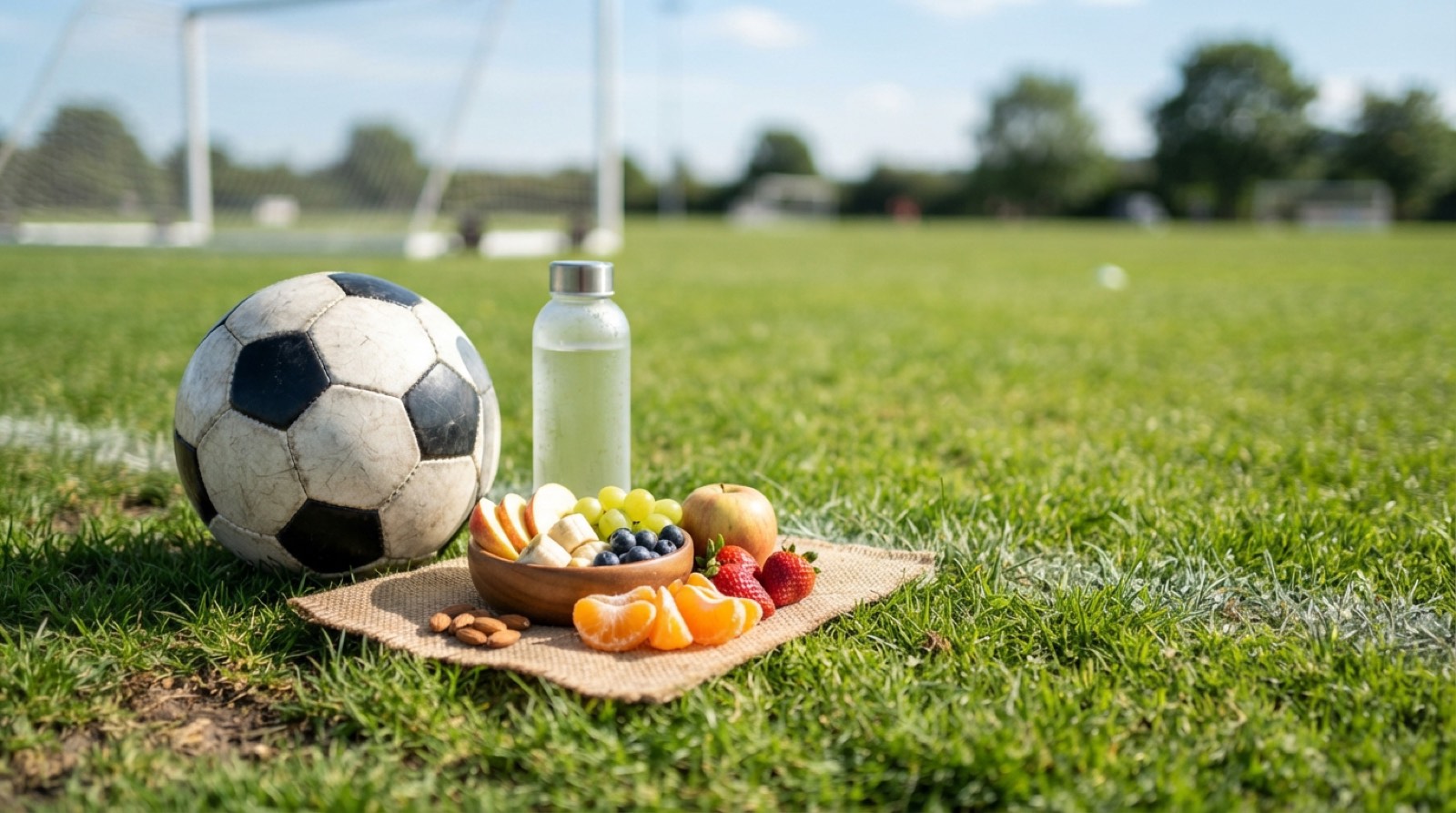
Parents often ask me what their child should eat before a match, and most expect a complicated answer. It is not complicated. A young soccer player needs enough normal food, enough water, and a calm stomach. The best game-day nutrition is boring, familiar, and easy to repeat.
Soccer is hard running with quick stops, starts, and decisions. Food cannot replace training, sleep, or coaching, but it can keep a child from feeling flat halfway through a hot Temecula game.
Key takeaways
- Carbohydrates are the main game-day fuel for soccer running.
- Add protein with meals, especially after practices and games.
- Water comes first; sports drinks are occasional tools, not daily defaults.
- Avoid new, greasy, or heavy foods close to kickoff.
- Temecula heat makes hydration planning part of nutrition.
What should a young soccer player eat on game day?
A young soccer player should eat familiar carbohydrates for energy, some protein for staying power, and enough fluids to start the game hydrated. Keep meals simple: oatmeal, toast, rice, pasta, fruit, eggs, yogurt, chicken, or sandwiches. The goal is steady energy, not a special meal.
The CDC recommends children ages 6 to 17 get 60 minutes or more of activity each day. Soccer can cover that, but kids need fuel in the tank before they run.
The simple soccer plate
Most soccer meals should look like regular family food: a carbohydrate, a protein, color from fruit or vegetables, and water. The U.S. Department of Agriculture’s MyPlate model is a useful parent shortcut because it keeps the plate balanced without counting every bite or turning dinner into homework.
For soccer, I usually tell parents to think this way:
| Part of the plate | Simple examples | Why it helps |
|---|---|---|
| Carbohydrate | Rice, pasta, potatoes, oats, bread, fruit | Main fuel for running |
| Protein | Eggs, chicken, turkey, yogurt, beans | Supports recovery and steadier hunger |
| Color | Banana, berries, carrots, oranges | Adds vitamins and easy snacks |
| Fluid | Water | Supports heat safety and focus |
This is where parents can relax. You do not need a special youth-athlete menu. A turkey sandwich and fruit can beat an expensive product if your child eats it, digests it, and feels good.
What to eat before morning games
Morning games need light, familiar food because kids often wake up nervous or not hungry. A small breakfast with carbohydrates and a little protein is usually enough. Skip greasy drive-through meals, giant portions, and anything your child has never eaten before soccer.
Good morning options include toast with peanut butter, oatmeal with banana, yogurt with fruit, scrambled eggs with toast, or a simple bagel. For very early games, even a banana and water is better than arriving empty. If your child is anxious, do not force a huge plate. Small and steady wins.
What to eat before afternoon games
Afternoon games are easier because there is time for a normal meal earlier in the day. Aim for lunch that is filling but not heavy: rice and chicken, pasta with light sauce, a turkey sandwich, eggs and toast, or leftovers your child already knows.
The mistake I see most is the late heavy meal. A child eats a burger, fries, or a huge plate too close to warm-up, then feels slow. Save heavier foods for after the game. Before soccer, choose food that leaves the body ready to move, not ready to nap.
School-day games and practices need a little more planning. Many kids come straight from class, homework, or a car ride, and they have not had a real chance to eat. I like a simple after-school snack that a child can finish without stress: fruit, crackers, a half sandwich, yogurt, or pretzels. It is not fancy, but it keeps the tank from being empty.
Snacks that actually work
Good soccer snacks are easy to pack, easy to digest, and easy for kids to eat between school, the car, and the field. They should not melt into a mess or turn the sideline into a sugar experiment right before a child plays.
| Timing | Snack ideas |
|---|---|
| Before practice | Banana, applesauce pouch, toast, pretzels, granola bar |
| Between games | Fruit, crackers, yogurt, half sandwich, trail mix if tolerated |
| After play | Chocolate milk, yogurt and fruit, sandwich, eggs and toast |
For more on what to bring to the field, use the youth soccer gear checklist. Food is part of the kit in the same way water and shin guards are.
One more parent tip: separate “treat food” from “soccer fuel.” Kids can enjoy pizza or dessert later with the family. Right before they play, keep the snack predictable. A child who trusts their stomach can focus on the ball, the coach, and their teammates.
Water, sports drinks, and energy drinks
Most young players should drink water before, during, and after soccer. The American Academy of Pediatrics clinical report on sports drinks and energy drinks says sports drinks are often unnecessary for routine activity, while energy drinks are not appropriate for children and adolescents at all.
Temecula changes the decision on hot days. If your child has a long tournament, heavy sweat, or back-to-back games, a sports drink may help because it adds fluid, carbohydrate, and electrolytes. But do not confuse that with an energy drink. Caffeine products do not belong in a youth soccer bag.
If heat is the bigger concern, read Summer Soccer Hydration Tips before the next warm weekend.
What to eat after soccer
After soccer, the job is to replace energy, repair muscles, and rehydrate well. That can be a normal meal, not a special product. The American College of Sports Medicine joint position stand on nutrition and athletic performance emphasizes carbohydrate and protein after exercise for recovery.
I keep it practical for families: feed the child real food within the normal family rhythm. A sandwich, rice bowl, eggs, yogurt, chicken, beans, fruit, or chocolate milk can all work. The child does not need a powder to recover from youth soccer unless a medical professional has given that advice.
How nutrition changes for tryouts and tournaments
Tryouts and tournaments are not the time to test new foods. Keep breakfast, snacks, and drinks familiar. Pack more than you think you need, especially if you are driving from Murrieta, Menifee, Lake Elsinore, or Wildomar and will be away from home for hours.
For tryouts, the best nutrition plan is the one that helps your child feel normal. They already have enough nerves. Pair this with the soccer side of preparation in How to Prepare Your Child for Soccer Tryouts, and consider extra ball work through training if they need confidence.
A Temecula coach’s simple rule
Temecula families do not need to make food complicated. If your child eats familiar meals, drinks water, packs smart snacks, and avoids energy drinks, you are already doing most of it right. The rest is small tuning based on weather, schedule, and the child’s stomach.
At SWSC, I want kids arriving ready to play, not stressed about a perfect diet. If you are starting soccer for the first time, read Youth Soccer in Temecula. When you want help finding the right level, start with a free evaluation.
Frequently asked questions
What should a young soccer player eat before a game?
Keep it simple: a familiar meal with carbohydrates, some protein, and low grease or heavy fiber. Good options include toast with eggs, oatmeal with fruit, rice with chicken, or a turkey sandwich. The best pre-game food is food your child already tolerates.
How soon before soccer should my child eat?
A full meal usually works best a few hours before play, with a small snack closer to game time if your child is hungry. Avoid testing new foods on game day. Younger players do better when their stomach feels light, steady, and familiar.
Do kids need sports drinks for soccer?
Most kids need water first. Sports drinks can make sense during long, hot, high-effort days, but they are not needed for every practice. The American Academy of Pediatrics says energy drinks are not appropriate for children and teens, so keep those out of the soccer bag.
What should kids eat after soccer?
After soccer, aim for a normal meal or snack with carbohydrates, protein, and fluids. Chocolate milk, yogurt with fruit, a sandwich, rice and chicken, or eggs and toast can all work. The goal is recovery, not a perfect supplement plan.
What foods should my child avoid before a game?
Avoid greasy meals, very spicy food, huge portions, and unfamiliar snacks right before soccer. Some kids also struggle with too much dairy or heavy fiber close to kickoff. Test foods during practice weeks, not before an important game or tryout.