
Youth Soccer Guide
How to Prepare Your Child for Soccer Tryouts
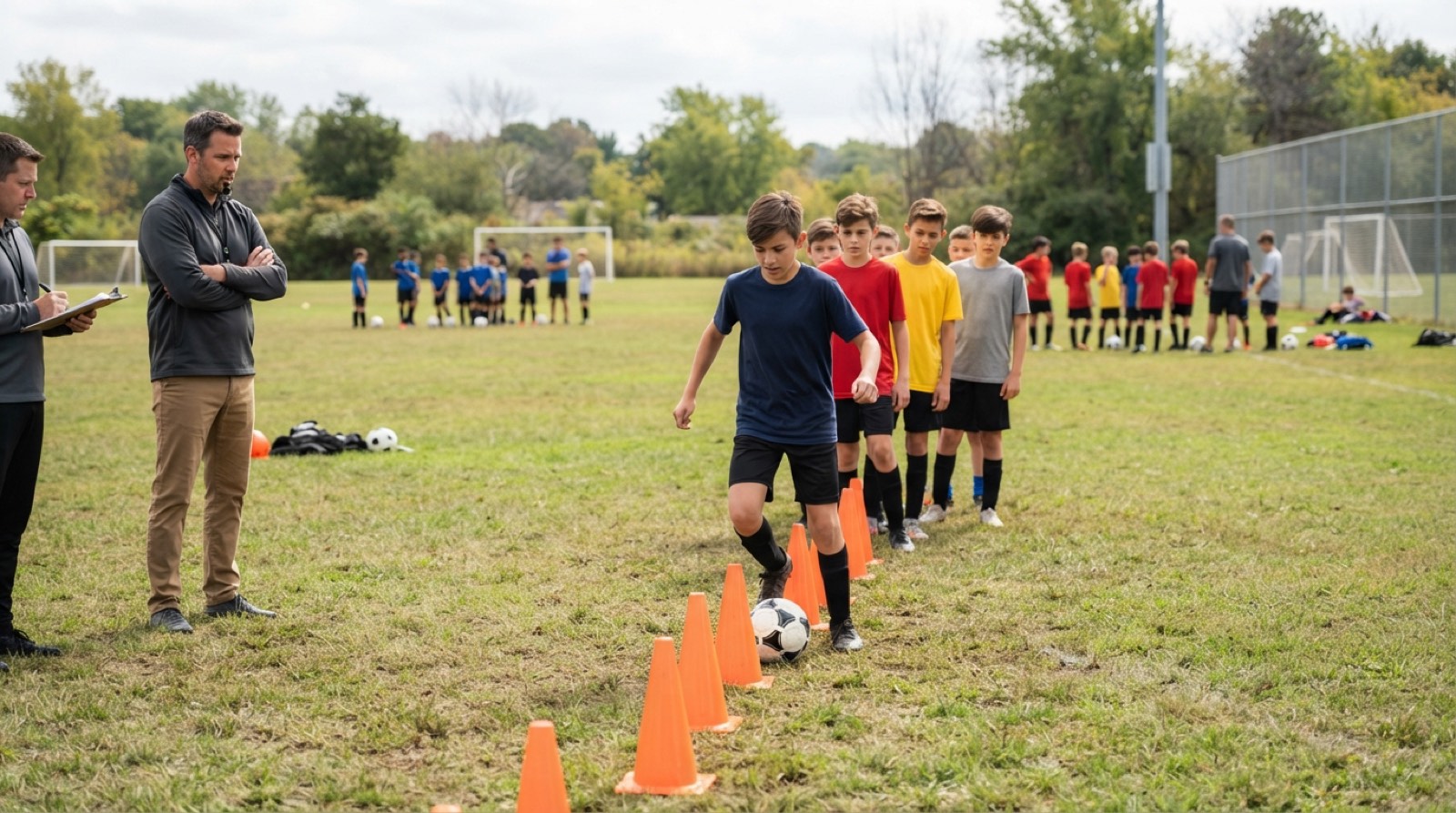
Tryouts can make good parents act strange. I have seen calm adults turn one practice into a referendum on their child’s future. I understand the nerves, but the best preparation is not panic training. It is steady touches, good sleep, honest expectations, and a child who still likes soccer when tryout day arrives.
After 25 years in Temecula soccer, I can tell you this: coaches notice more than goals. They notice effort, attitude, listening, and how a player responds after a mistake.
Key takeaways
- Do not cram; build simple habits before tryouts.
- Coaches look for skill, effort, decisions, attitude, and coachability.
- Rest matters as much as extra training in the final week.
- Parents help most by lowering pressure, not raising it.
- A missed team is feedback, not the end of a player’s path.
How should kids prepare for soccer tryouts?
Kids should prepare for soccer tryouts with steady ball touches, basic fitness, enough sleep, and a calm plan. The goal is to arrive confident and fresh, not exhausted. Coaches want players who can control the ball, listen, compete, make simple decisions, and recover after mistakes.
If your child is moving from recreational to club soccer, read Rec vs. Competitive Youth Soccer first. Tryout preparation works best when the family understands what the next level asks.
What coaches actually look for
Coaches look for the whole player, not one highlight. A strong tryout shows technical skill, quick thinking, effort without the ball, teamwork, and coachability. I care how a player receives feedback, treats teammates, and reacts when the ball gets away from them.
Parents sometimes think the tryout is only about scoring. Goals help, of course, but soccer is bigger than that. A defender who communicates, a midfielder who checks their shoulder, or a winger who tracks back can stand out without being the loudest player on the field.
| What coaches watch | What it looks like |
|---|---|
| First touch | Can the player control the ball under pressure? |
| Passing | Does the player see teammates and play simple? |
| Movement | Do they find space after passing? |
| Effort | Do they defend, recover, and keep working? |
| Coachability | Do they listen and adjust? |
| Attitude | Do they handle mistakes without quitting? |
The flashy player gets noticed for a moment. The reliable player gets watched for the whole session.
The week-before plan
The week before tryouts should sharpen a player, not drain them. Short ball work, light fitness, stretching, water, and sleep are enough for most kids. Avoid sudden long runs, hard extra sessions, or brand-new drills that make the child sore.
The American Academy of Pediatrics recommends keeping weekly organized sport hours at or below a child’s age, limiting sport to 5 to 6 days per week, and taking time off across the year. Those limits matter before tryouts. A tired child does not show their best soccer.
If your child asks for extra work, keep it short and positive. End while the touches still look clean. Confidence grows when the last memory before tryouts is “I can do this,” not “my legs are gone.”
| Day | Simple focus |
|---|---|
| Early week | Ball touches, passing, light fitness |
| Midweek | Short sharp work, no heavy load |
| Day before | Rest, juggling, easy touches |
| Tryout day | Food, water, early arrival, calm warm-up |
If your child needs a longer runway, focused soccer training can help build habits before the pressure starts.
Ball work that helps most
The best tryout ball work is simple: first touch, passing against a wall, dribbling both feet, turns, and finishing with control. A child does not need a complex routine before tryouts. They need clean touches they can repeat when nervous.
Try this at home or at a park:
- Pass against a wall with both feet.
- Receive across the body, then pass again.
- Dribble through cones or shoes with small touches.
- Practice three turns: pullback, inside cut, outside cut.
- Finish with easy juggling or free play.
A short focused session done often beats one frantic marathon. For more help, use focused soccer training or start with the age basics in What Age Should Kids Start Soccer?.
Fitness without panic
Soccer fitness is not just running laps. It is repeat movement: sprint, stop, turn, recover, and think while tired under real pressure. In the final week, a few short bursts are better than a punishment run that leaves heavy legs.
Use small games, shuttle runs, or dribble sprints with plenty of rest. Keep it playful for younger players. If a child is gasping, sore, or dreading the next session, you are not building readiness. You are spending the energy they need for tryouts.
I also watch body language. A player who arrives tired often plays safe, avoids the ball, and looks slower than they really are. A rested player is more willing to ask for the ball and make a brave choice. That is why the final week should feel clean, not desperate.
Food, water, and sleep
Tryout day food should be familiar: normal meals, easy snacks, and water. The CDC says children ages 6 to 17 need 60 minutes or more of daily activity, and that kind of activity goes better when kids are fueled and hydrated.
Do not test a new supplement, sports drink, or big breakfast on tryout day. Pack water, a simple snack, shin guards, cleats, and any required paperwork. For food ideas, read What to Feed a Young Soccer Player. For gear, use the youth soccer gear checklist.
What parents should say and not say
Parents help most when they make the day feel normal and keep the pressure low. Before tryouts, say: work hard, listen, be brave, and enjoy playing. After tryouts, ask: did you work hard, did you learn anything, and did you have fun?
Avoid the car lecture. Avoid money talk. Avoid comparing your child with another player. Pressure makes kids play smaller. Confidence usually comes from feeling trusted, not from one more adult instruction right before check-in.
Keep the odds and goals honest
Tryouts matter, but they are not a child’s whole soccer story or future. The NCAA reports that about 6 percent of boys and 8 percent of girls who play high-school soccer reach any NCAA level, with Division I odds much lower.
That statistic should not discourage a child. It should free the family. Play competitive soccer for development, challenge, friendships, and love of the game. If college happens later, great. If not, the child still gained something valuable.
If your child does not make the team
If your child does not make the team, do not treat it like a final judgment. Ask for feedback, choose the right training level, and make a short plan. Many players grow later, mature later, or need one season in a better-fitting environment.
SWSC serves players from Temecula, Murrieta, Menifee, Lake Elsinore, Wildomar, and nearby towns, and our goal is placement that helps the child grow. If you want an honest read before or after tryouts, start with a free evaluation. You can also review the competitive soccer pathway before deciding what comes next.
Frequently asked questions
How should my child prepare for soccer tryouts?
Prepare with simple ball touches, passing, fitness, sleep, and a calm routine. Do not cram. Coaches want to see skill, effort, listening, attitude, and decision-making. A child who works hard, responds well, and keeps playing after mistakes helps their own case.
What do coaches look for at soccer tryouts?
Coaches look for technical skill, effort, speed of play, coachability, teamwork, and attitude. The best player is not always the flashiest player. A child who listens, competes, supports teammates, and makes simple smart choices often stands out in pressure moments.
Should my child train every day before tryouts?
No. A little daily ball work can help, but hard training every day can backfire. The American Academy of Pediatrics recommends keeping weekly organized sport hours at or below a child's age and building in rest. Fresh beats exhausted at tryouts.
What should parents say before tryouts?
Say less than you think. Remind your child to work hard, listen, be brave, and enjoy playing. Avoid promises, pressure, or long speeches in the car. Your calm matters because kids borrow the emotional tone adults bring that day too.
What if my child does not make the team?
Treat it as feedback, not a verdict. Ask what to improve, keep training, and find the right level for the next season. Many good players develop later. The goal is long-term growth, not one tryout result with the right plan.