
Youth Soccer Guide
Goalkeeper Basics: Should Your Child Try Playing in Goal?
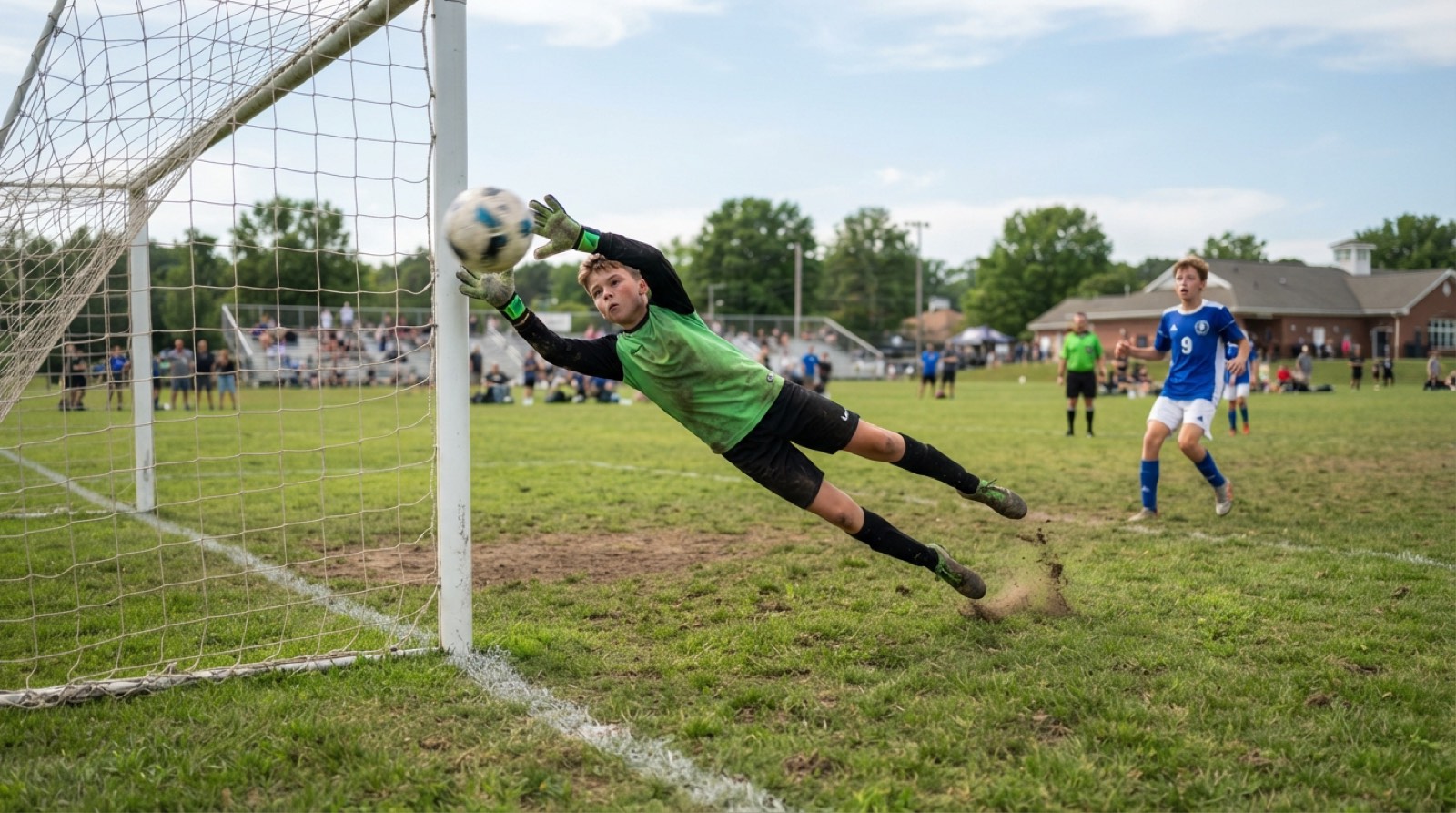
Every season, a parent asks me if their child should try goalkeeper. Sometimes the child loves diving. Sometimes they are tall. Sometimes the team just needs someone brave enough to stand there.
Goalkeeper can be a wonderful position for the right child. It builds courage, focus, leadership, and resilience. But it should be introduced carefully, especially with younger players who still need to learn the whole game.
Key takeaways
- Let young players try goalkeeper without locking them into it.
- The best youth keepers still build field-player skills.
- Start with footwork, catching, set position, and safe falling.
- Do not use height as the main reason to put a child in goal.
- For extra help, look for age-appropriate goalkeeper training.
Should your child try playing goalkeeper?
Yes, if they are curious, reasonably brave, and willing to learn. But do not make goalkeeper their whole soccer identity too early. Young players should rotate, touch the ball with their feet, and understand the field before they become full-time keepers. Goalkeeper should be an option, not a cage.
The position is different. The goalkeeper sees the whole field, organizes defenders, handles pressure, and makes mistakes everyone notices. That can build a strong child, but only if the coach teaches it with patience.
U.S. Soccer’s Player Development Initiatives use age-appropriate formats: 4v4 for U6–U8, 7v7 for U9–U10, 9v9 for U11–U12, and 11v11 at U13+. That progression is a reminder: young players are still learning the game in pieces. Keepers should be part of that learning, not separated too soon.
What goalkeepers actually do
Goalkeepers stop shots, but that is only one part of the job. A youth keeper also starts attacks, supports defenders, communicates, reads danger, and learns when to catch, punch, pass, or clear. The modern keeper is a soccer player first.
I tell young keepers they have four jobs:
| Job | What it means for kids |
|---|---|
| Protect the goal | Get set, move feet, save what is savable |
| Protect the box | Come for balls they can reach safely |
| Help teammates | Talk early and clearly |
| Start play | Roll, throw, or pass to the right teammate |
The mistake parents make is judging keepers only by goals allowed. A child may concede and still make the right decision. Another may keep a clean sheet because the other team barely shot. Watch choices, not just outcomes.
If your child is still learning positions, start with What Age Should Kids Start Soccer?. Readiness matters, and every position feels strange at first.
The first goalkeeper skills to teach
Start with boring basics. Boring wins. Before diving, flying saves, or penalty drama, a keeper needs set position, footwork, catching shape, and safe recovery. Those skills prevent fear because the child knows what to do.
The first skills are:
- Set position: feet active, knees bent, hands ready.
- Footwork: move behind the ball before reaching.
- Catching: hands in the right shape for low, mid, and high balls.
- Scoop and basket: safe handling for rolling and waist-high shots.
- Distribution: rolling, throwing, and passing with both feet.
- Communication: simple words like “keeper,” “away,” and “drop.”
Keep early shots soft and close. Build rhythm before power. A child who gets blasted with hard shots too early learns fear, not goalkeeping.
What parents should watch for
Watch your child’s reaction after mistakes. Goalkeeper exposes kids emotionally because a missed save becomes a goal. Some children love that pressure. Others need time. The right question is not “Did they save everything?” It is “Did they want another turn?”
Good signs:
| Sign | Why it matters |
|---|---|
| They ask to play goal again | Interest is coming from the child |
| They recover after a goal | Resilience is forming |
| They talk more over time | Confidence is growing |
| They still enjoy field play | Their development stays balanced |
Warning signs include flinching from every ball, hiding pain, crying from embarrassment, or being placed in goal because no one else wants it. No position should feel like punishment.
For confidence help, read Building Confidence Through Soccer. Goalkeeper can help some shy kids lead, but only if the setting feels safe.
Safety basics for young keepers
Safety starts with technique and good judgment. Young keepers should learn how to fall, how to protect their head, and when not to dive into traffic. Coaches should not turn goalkeeper training into a toughness contest.
The American Academy of Pediatrics says youth soccer injuries are mostly contact injuries and lower-limb sprains, and describes many as preventable with good coaching and proper rules. That matters for keepers because many risky moments happen in crowded spaces.
Use these guardrails:
- No hard close-range shooting at new keepers.
- Teach collapse dives before extension dives.
- Do not reward reckless collisions.
- Stop immediately for head symptoms.
- Use the CDC HEADS UP approach for suspected concussion: when in doubt, sit them out.
Safety is not softness. It is how you keep a brave child brave.
Gear parents actually need
You do not need a car full of gear for a first try. A ball, shin guards, cleats, water, and comfortable clothing are enough. If your child starts training in goal regularly, add gloves that fit, long sleeves or light padding if the surface is rough, and a ball they can handle cleanly.
| Gear | Buy now? | Notes |
|---|---|---|
| Gloves | Maybe | Useful once training is regular |
| Padded shorts | Not usually | Helpful on hard or rough surfaces |
| Keeper jersey | Not at first | Comfort matters more than style |
| Extra ball | Yes | Home reps help confidence |
For general starter gear, use Youth Soccer Gear Checklist. Keep the purchase simple until your child proves the interest is real.
When to get goalkeeper training
Get goalkeeper training when your child keeps asking for the position, wants help, and is ready for correction. The right training should be technical and age-appropriate, not a highlight-reel session. Young keepers need many clean reps and calm feedback.
At SWSC, goalkeeper work is part of our training options, but I still want young keepers playing with their feet. The game is moving that direction everywhere. A keeper who can pass, receive, and solve pressure helps the whole team.
If your child wants a more serious pathway later, Recreational vs. Competitive Youth Soccer explains what changes when the level rises. Until then, keep the test simple: does the child love the role enough to keep learning after mistakes?
The Temecula parent answer
For families in Temecula, Murrieta, Menifee, Lake Elsinore, and Wildomar, my advice is simple: let your child try goal, but keep the door open. The best youth development does not trap kids early. It lets them discover where they fit.
If they enjoy goalkeeper, ask about a free evaluation and mention that interest. We can look at their confidence, footwork, handling, and comfort level. The goal is not to label them forever. It is to help them enjoy the game and grow into the role at the right pace.
Frequently asked questions
What age should a child start goalkeeper training?
Most young players should rotate positions before serious goalkeeper training. If a child enjoys goal, add basic handling, footwork, and confidence work, but keep them playing on the field too. The best youth keepers understand the whole game, not only shot-stopping.
Does my child need goalkeeper gloves right away?
Not for a first try, but gloves help once a child trains regularly in goal. Start with comfortable youth gloves that fit well and let the fingers move. Do not buy expensive gear before you know your child actually enjoys the position and will use it often.
Is goalkeeper a safe position for kids?
It can be safe with age-appropriate coaching, proper technique, and sensible contact rules. Young keepers should learn how to set, catch, fall, and protect themselves gradually. Avoid throwing a nervous child into hard shots or crowded collisions before they have the basics.
What makes a good youth goalkeeper?
A good youth goalkeeper is brave, coachable, alert, and willing to communicate. Height helps later, but it should not decide the position early. At younger ages, footwork, decision-making, soft hands, and resilience matter more than looking like an adult keeper.
Should my child specialize as a goalkeeper?
Not too early. Let your child train in goal if they love it, but keep field-player skills alive. Passing, first touch, scanning, and defending all help modern goalkeepers. Full specialization should wait until the child is older and clearly wants that role.