Youth Soccer Guide
Fall Youth Soccer in the Temecula Valley: A Signup Guide
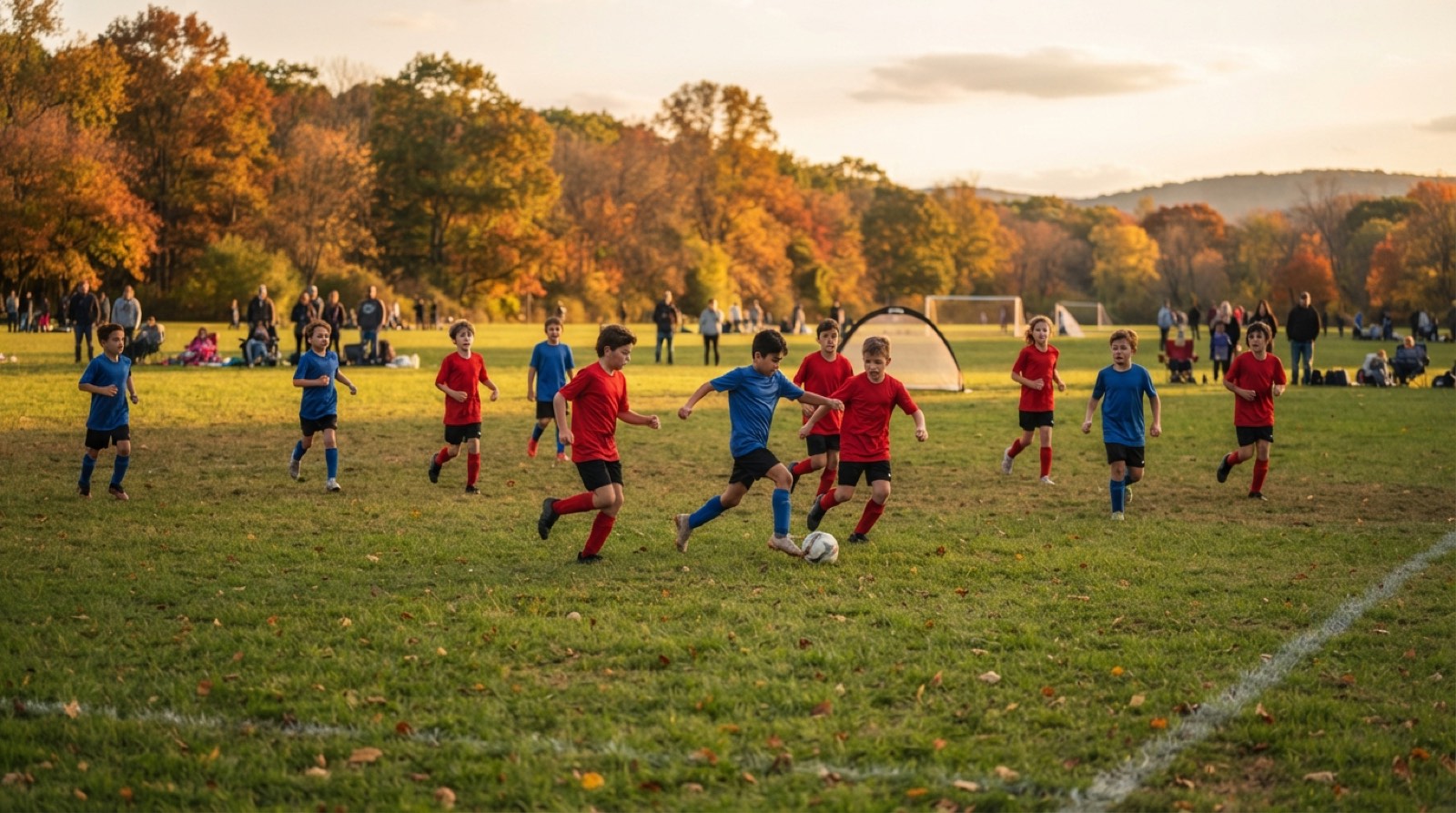
Fall soccer in the Temecula Valley comes fast. School starts, weekends fill up, and suddenly parents are trying to choose a team, buy cleats, check practice times, and figure out whether their child belongs in recreational or competitive soccer.
My advice is simple: do not start with the most advanced option. Start with the right fit. A good fall soccer signup plan matches your child’s age, experience, schedule, and joy for the game. That matters more than any logo on the uniform.
Key takeaways
- The CDC recommends children ages 6-17 get 60 minutes or more of activity every day.
- Most kids are ready for organized team sports around age 6, according to the American Academy of Pediatrics.
- U.S. Soccer age groups scale from 4v4 to 11v11 as players grow.
- New players usually need fit and fun before tryouts and travel.
- In Temecula, fall signup should include heat planning, not just schedule planning.
Fall soccer signup in Temecula: what parents should do first
Start by matching your child to the right age group and level, then ask about schedule, coaching, safety, and next steps. If your child is new, do not guess between programs. Use a free evaluation or beginner session so a coach can see their comfort with the ball and place them wisely.
Parents often ask me, “Is it too late?” The better question is, “What is the right first step for this child?” A confident 12-year-old beginner and a nervous 7-year-old beginner need different starts. Both can belong in soccer.
The health reason to act is real. The CDC recommends 60 minutes or more of daily physical activity for children ages 6-17. Soccer helps many families turn that goal into a routine because practices and games are built into the week.
Pick the right age group before the right team
The age group tells you the game format, ball size, field size, and what coaches should teach. U.S. Soccer scales the game on purpose: young kids get fewer players, smaller fields, and more touches. That is better development than dropping small children onto a full field too soon.
The U.S. Soccer Player Development Initiatives set these small-sided standards:
| Age group | Format | Ball size | Parent takeaway |
|---|---|---|---|
| U6-U8 | 4v4, no goalkeeper | Size 3 | Lots of touches and simple rules |
| U9-U10 | 7v7, goalkeeper | Size 4 | More shape, still small-sided |
| U11-U12 | 9v9, goalkeeper | Size 4 | More positions and decisions |
| U13 and up | 11v11 | Size 5 | Full game format |
If you are unsure what those ages mean, read What Age Should Kids Start Soccer?. It explains when team soccer starts to make sense and why younger players need play more than drills.
Recreational or competitive: choose by readiness
Recreational soccer is usually right for new players, younger children, and families who want a lighter schedule. Competitive soccer fits players who already love the game, want more training, and can handle challenge without losing joy. The choice should follow the child, not neighborhood pressure.
I ask three questions before recommending a path:
| Question | Rec may fit if… | Competitive may fit if… |
|---|---|---|
| Does your child ask to play more? | They are still trying it out | They practice on their own |
| How do they handle mistakes? | They need low pressure | They respond well to coaching |
| Can your family manage the schedule? | Weekends are tight | Training and travel are realistic |
If you want the longer breakdown, Rec vs. Competitive Youth Soccer covers time, cost, coaching, and college expectations. Fall is a great time to start, but it is not a reason to rush a child into the wrong level.
What to ask before you sign up
Ask clear questions before you pay: who coaches, what background checks are required, how often the team trains, what the full cost includes, and how the club handles heat and injuries. A good club answers those questions plainly and does not pressure you before your child is placed.
Use this quick list:
- What age group will my child join?
- Is this recreational, training, or competitive?
- Who is the coach, and what license do they hold?
- Are coaches background checked and SafeSport trained?
- What gear is required on day one?
- What happens if my child is new, shy, or behind?
- How do you handle hot fall practices?
Coaching matters. Project Play cites research showing only 5% of kids with trained coaches did not return the next season, compared with 26% with untrained coaches. That is why I tell parents to judge the adult environment before the standings.
Gear for the first fall practice
For the first fall practice, keep gear simple: cleats, shin guards, soccer socks, water, sunscreen, and the correct ball. Do not buy expensive extras until your child has played enough to know what they like. The right fit matters more than the most expensive item.
If you need the full shopping list, use Youth Soccer Gear Checklist. For ball size, the U.S. Soccer table above is enough for most parents:
| Player age group | Ball size |
|---|---|
| U6-U8 | Size 3 |
| U9-U12 | Size 4 |
| U13 and older | Size 5 |
One local note: early fall in Temecula, Murrieta, and Menifee can still feel hot. Pack more water than you think your child needs, and label everything. Hydration mistakes are easier to prevent than fix.
Heat and workload still matter in fall
Fall does not erase summer heat in Southwest Riverside County. The first weeks can be hot, and kids are also adjusting to school. Good fall soccer plans include water breaks, shade when possible, sensible intensity, and coaches who watch body language, not just the clock.
The CDC activity goal is 60 minutes a day, but that does not mean every child should sprint through hot practices without breaks. Activity only helps when the workload fits the child and the weather.
Watch for headaches, dizziness, confusion, chills, or a child who suddenly looks clumsy or unusually quiet. For a deeper parent checklist, read Keeping Kids Safe in the Heat. In our valley, heat planning is part of good coaching.
How fall soccer fits a school schedule
The best fall soccer schedule supports school instead of fighting it. For most children, one or two practices plus a game is plenty at the start. If homework, sleep, meals, and mood are falling apart, the schedule is too heavy, even if the player is talented.
The American Academy of Pediatrics recommends keeping weekly organized-sport hours at or below a child’s age, using 1-2 rest days each week, and taking 2-3 months away from any one sport each year. That advice is not anti-competition. It is pro-child.
Fall is when burnout can sneak in because everything starts at once. If your child is moving from summer break into school plus soccer, build the first month with margin. Preventing Youth Sports Burnout explains the warning signs.
Starting locally without overthinking it
If you live in Temecula, Murrieta, Menifee, Lake Elsinore, Wildomar, French Valley, or Winchester, the best signup move is simple: find a local program that can place your child by age and ability, then let them try the environment before you overcommit.
For many families, that starts with a free evaluation. If your child is ready for a higher level, ask about competitive soccer. If they need extra touches first, training can help. The point is not to win fall signup. The point is to start your child in a place where they want to keep playing.
Frequently asked questions
When should I sign my child up for fall soccer in Temecula?
Start looking before the school year gets busy, but do not chase a date you have not confirmed with the club. Ask about your child's age group, level, schedule, and whether a free evaluation is available. Temecula families should also ask how the club handles heat early in the season.
What age can kids start fall soccer?
Most children are ready for organized team soccer around age 6, according to the [American Academy of Pediatrics](https://www.healthychildren.org/English/healthy-living/sports/Pages/Is-Your-Child-Ready-for-Sports.aspx). Younger children can still benefit from simple ball play and relaxed beginner sessions, as long as the focus stays on movement, listening, safety, and fun.
Should my child choose recreational or competitive fall soccer?
Newer players usually belong in recreational or beginner training first. Competitive soccer fits children who already love the game, want more challenge, and can handle the extra schedule. If you are unsure, choose an evaluation instead of guessing. The child's readiness matters more than the parent's timeline.
What gear does my child need for fall soccer?
Start with cleats, shin guards, soccer socks, water, and the right ball size. U.S. Soccer's [Player Development Initiatives](https://www.usyouthsoccer.org/wp-content/uploads/sites/160/2023/09/Player-Development-Initiatives-2017.pdf) use size 3 for U6-U8, size 4 for U9-U12, and size 5 for U13 and older, so check your child's age group before buying.
Is fall soccer safe in Temecula heat?
It can be safe when coaches plan for heat: water breaks, shade when possible, flexible intensity, and clear parent communication. Early fall can still feel like summer in the Temecula Valley, so send extra water and tell the coach if your child seems dizzy, confused, or unusually tired.