
Youth Soccer Guide
What Does Youth Soccer Really Cost? A Parent's Budget Guide
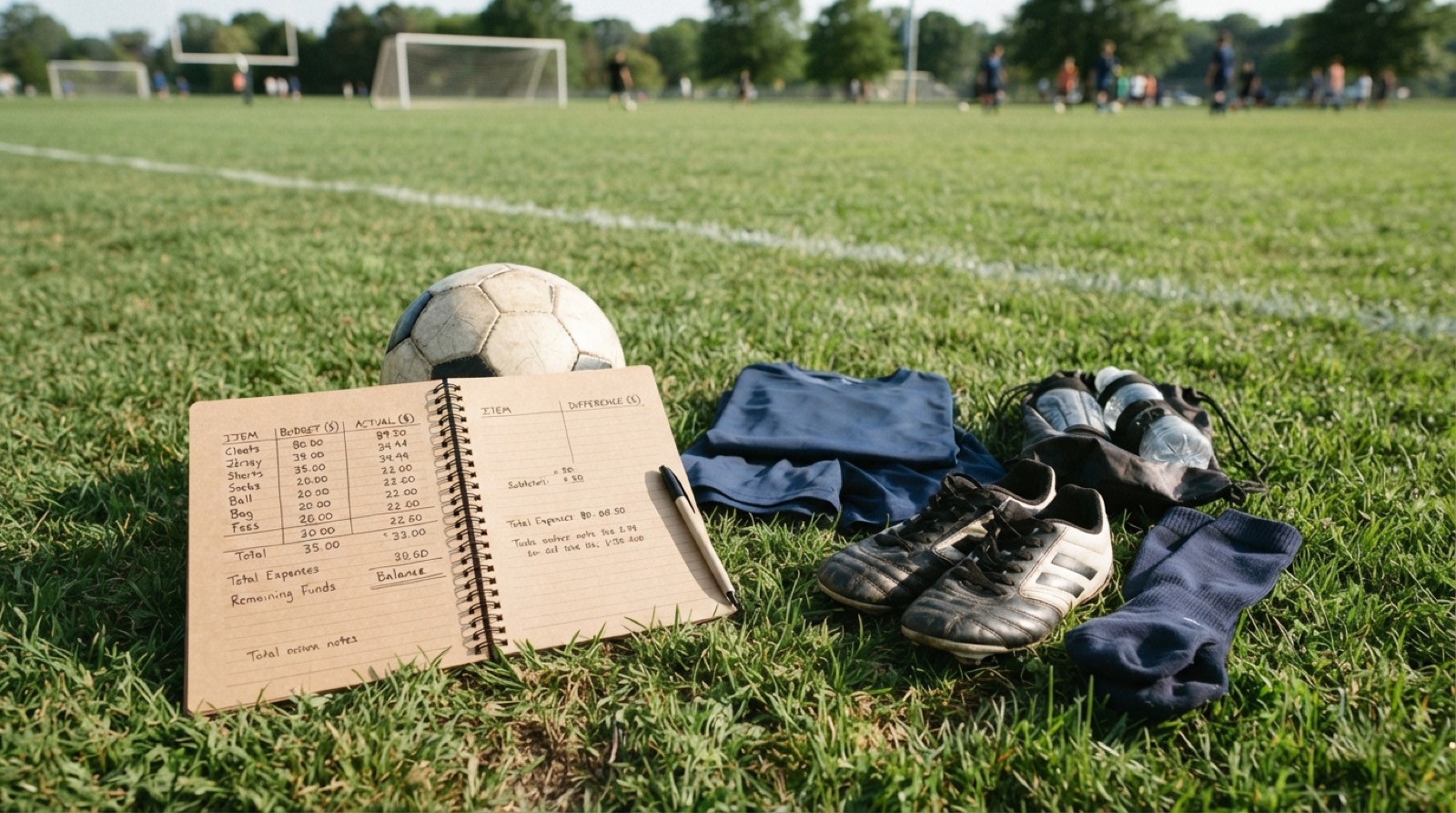
Every August in Temecula, I hear the same quiet question from parents: what is this really going to cost us? Not just the signup fee. The cleats. The uniform. The extra training. The Saturday drive to Orange County.
That is the right question to ask before your child falls in love with a team. The cost of youth soccer can be reasonable when you plan for it, but it can also surprise families when travel and add-ons creep in.
Key takeaways
- Aspen Project Play reports average annual soccer spending at $1,188 per child.
- Family youth-sports spending rose 46% from 2019 to 2024, according to Aspen.
- Travel is often the biggest budget shock, especially for competitive teams.
- Do not judge a club by one fee; ask for the full annual picture.
- SWSC does not publish prices in this guide; start with a free evaluation for the current fit.
What does youth soccer really cost?
The honest answer: it depends on the level. Recreational soccer usually costs less because it stays local. Competitive soccer costs more because families pay for coaching, uniforms, tournaments, and travel. Aspen Project Play reports average annual soccer spending at $1,188 per child, but your real number depends on your child’s age, team, and travel schedule.
I want parents to see the whole budget before they say yes. A single registration fee never tells the full story.
Where the money usually goes
Most youth soccer costs fall into a few buckets: registration, uniforms, equipment, tournaments, travel, and optional training. Aspen Project Play says soccer has one of the highest average costs among major youth team sports, and travel is the costliest feature across sports at $260 per child, per sport.
This is why two families can both say “club soccer” and mean two very different budgets. One team may play mostly in Southwest Riverside County. Another may spend several weekends a season in Los Angeles, San Diego, or farther.
| Cost bucket | What parents should ask |
|---|---|
| Registration | What does the base fee include? |
| Uniforms | Is the kit new every season or reused? |
| Equipment | Are cleats, shin guards, and a ball separate? |
| Tournaments | Are entry fees included or billed later? |
| Travel | How many away weekends should we expect? |
| Training | Is extra training required or optional? |
If the answer is vague, pause. A clear club can explain the full cost without pressure.
Why soccer feels more expensive now
Youth sports have changed. Aspen Project Play reported that the average U.S. sports family spent $1,016 on a child’s primary sport in 2024, a 46% rise from 2019. For soccer families, Aspen reported a 69% rise over that same five-year period.
That increase shows up in simple places: field costs, tournament fees, coaching education, fuel, hotels, and uniforms. I have watched Temecula parents try to do the right thing for their child while also protecting the family budget. Both can be true.
The goal is not to avoid spending anything. The goal is to spend on the parts that actually help your child grow.
Rec vs. competitive cost: what changes
The biggest jump usually happens when a child moves from recreational soccer to competitive soccer. That does not make competitive soccer bad. It means the decision should be made with open eyes, not sideline pressure. The right level should match the child and the family budget.
| Question | Recreational soccer | Competitive soccer |
|---|---|---|
| Tryout needed? | Usually no | Yes |
| Travel | Mostly local | Regional travel possible |
| Training load | Lower | Higher |
| Uniform cost | Often simpler | More team-specific |
| Tournament cost | Limited | More common |
| Best fit | New or casual players | Driven players ready for more |
If you are still weighing the choice, start with Recreational vs. Competitive Youth Soccer. It explains the time, cost, and commitment differences in plain language.
Gear: buy what your child needs now
For most kids, the starter list is short: cleats, shin guards, socks, water bottle, and the right ball. U.S. Soccer’s Player Development Initiatives use a size 3 ball for U6-U8 and size 4 for U9-U12, so do not buy a full-size ball too early.
Parents can waste money by buying adult-looking gear for a child who needs comfort and fit. Cleats should not hurt. Shin guards should stay in place. A ball should match the age group. That is enough.
For a fuller starter list, use our Youth Soccer Gear Checklist before you shop.
Private training and camps: useful, but not always urgent
Extra training can help, but it should solve a real need. A child who lacks confidence may need more touches. A goalkeeper may need position-specific coaching. A competitive player preparing for a higher level may need sharper habits. If there is no clear goal, wait.
What I do not like is adding private training just because another family is doing it. For many young players, the better answer is consistent team practice, free play, and a ball in the yard. The CDC recommends 60 minutes or more of daily activity for ages 6-17, and simple touches at home can help build that rhythm without adding another bill.
If your child needs more structured work, look at soccer training after you know the goal.
How to ask a club about costs
Ask direct questions before you register, because the full annual cost matters more than one headline fee. In my 25 years around Temecula soccer, the families who feel best later are the ones who asked boring budget questions early and got clear answers.
Use this list:
- What is included in the base fee?
- What is not included?
- Are tournaments billed separately?
- How many travel weekends are typical?
- Are uniforms required every season?
- Is extra training optional?
- What happens if my child is placed at a different level?
There is no shame in asking. Youth soccer should not require guesswork.
Do not treat soccer as a scholarship investment
I say this carefully because I believe in ambitious players. Still, youth soccer is not a financial plan. The NCAA reports that about 5.9% of boys and 7.9% of girls who play high-school soccer compete at any NCAA level. Division I is a smaller slice.
That does not mean competitive soccer is a waste. It means the return should be development, confidence, friendships, fitness, and love of the game. If college happens later, good. But do not let that possibility justify spending your family cannot carry.
I also tell parents to separate dream spending from development spending. Good coaching, regular practice, and age-appropriate games help almost every child. A far-away event only helps when the player is ready for that level and the family can afford the trip without resentment.
A practical Temecula budget approach
For families in Temecula, Murrieta, Menifee, Lake Elsinore, and Wildomar, I like a simple rule: start local, then move up when the child is asking for more. A younger player does not need a far-away tournament schedule to learn how to dribble, pass, compete, and love the game.
If your child is ready for a bigger challenge, compare the cost against the fit. Read When Should Your Child Move Up to Competitive Soccer?, then use a free evaluation to get a clear read before you spend.
Frequently asked questions
How much does youth soccer cost per year?
Aspen Project Play reports [average annual soccer spending at $1,188 per child](https://projectplay.org/youth-sports/facts/challenges), but that is not a club quote. Recreational soccer can cost less, while competitive travel soccer can cost more. Ask for all fees in writing, including registration, uniforms, tournaments, coaching, and travel.
What is the biggest hidden cost in youth soccer?
Travel is usually the cost parents miss first. Aspen Project Play says travel is the costliest line item across youth sports. Tournament weekends can add fuel, hotels, meals, parking, and missed work time. Local programs reduce that burden, especially for younger players.
Does SWSC list youth soccer prices in this guide?
No. Prices can change by age group, team level, season, and program, so I do not want a blog post to become outdated or misleading. The right first step is a free evaluation, where your child's fit and the current options can be explained clearly.
How can parents lower youth soccer costs?
Start local, buy only the gear your child needs now, skip private lessons until there is a clear goal, and ask clubs for the full annual cost before joining. For younger players, good coaching and steady attendance matter more than expensive tournaments.
Is competitive soccer worth the extra cost?
It can be worth it for a child who loves soccer, wants more training, and handles challenge well. It is not worth it as a scholarship bet. NCAA data show only a small share of high-school soccer players compete in college, so choose competitive soccer for development first.